Expedited Shipping for $35
✦
FREE STANDARD SHIPPING IN THE U.S.
✦
SLEEP BETTER. HEAL FASTER
✦
FREE STANDARD SHIPPING IN THE U.S.
✦
If you are preparing for biceps surgery, one question usually comes first: How long until I feel normal again?
The short answer is that most patients regain everyday function within four to six months, but complete healing and maximum strength can take up to one year. This healing time for torn bicep tendon injuries varies depending on the severity of the damage, the surgical procedure performed, and how closely patients follow their rehabilitation plan.
Recovery after biceps tenodesis involves more than waiting for the tendon to heal. The first few weeks are about protecting the repair. The following months focus on rebuilding mobility, strength, and confidence in your shoulder.
Understanding the recovery timeline can help you prepare for what comes next and avoid the mistakes that slow healing.
Biceps tenodesis is a procedure used to treat damage to the long head of the biceps tendon, which connects the biceps muscle to the shoulder.
During surgery, the damaged portion of the tendon is detached from its attachment near the shoulder labrum and reattached to the upper arm bone (humerus). This can be performed through open surgery or minimally invasive arthroscopic techniques.
The goal is to relieve pain, restore shoulder function, and prevent ongoing irritation caused by a damaged tendon.
Biceps surgery is typically recommended when symptoms continue despite conservative treatments like rest, medication, injections, or physical therapy.
Common signs that may indicate surgery is needed include:
Your orthopedic surgeon will determine whether surgery is the right option based on your symptoms, imaging results, and activity goals.
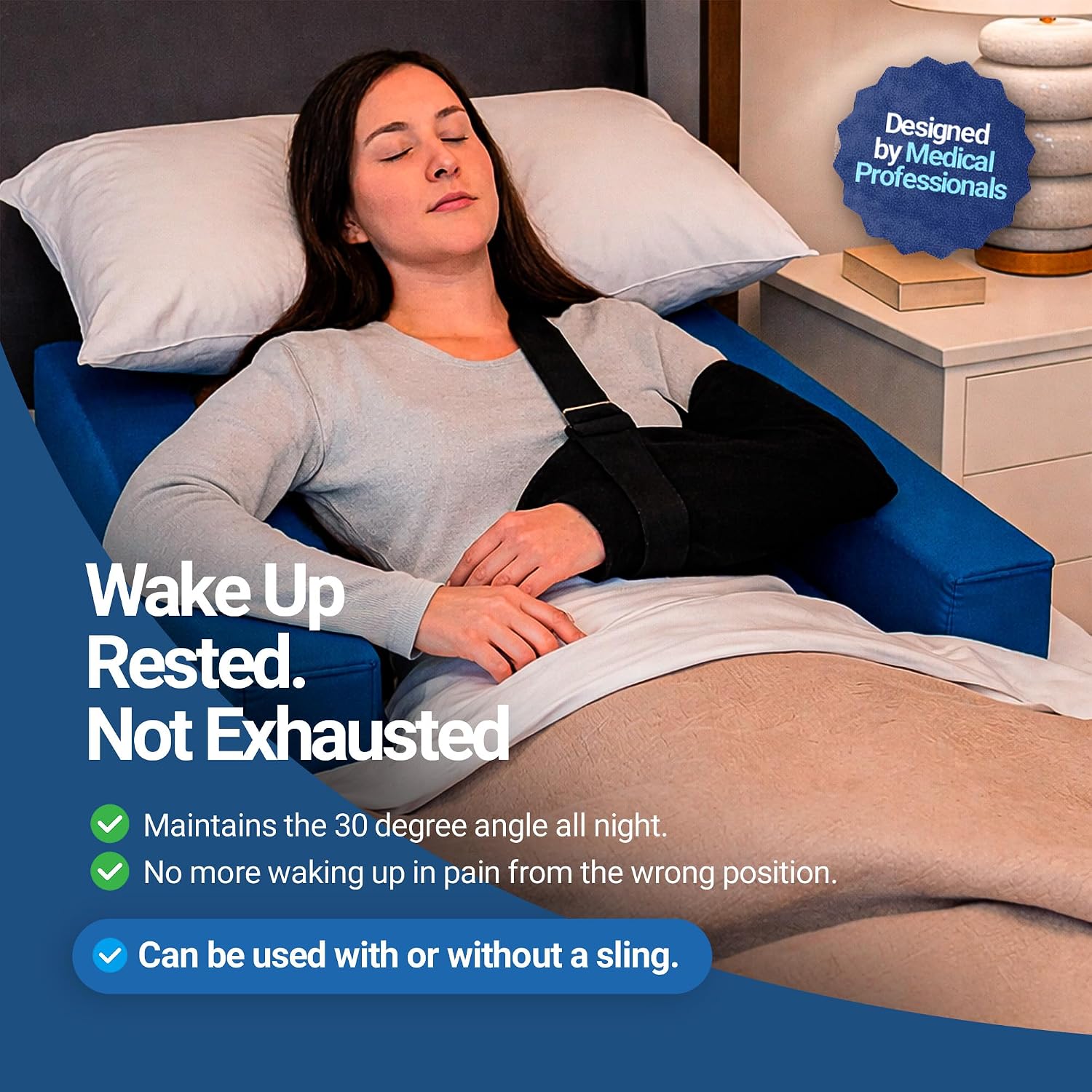
The first six weeks focus on protecting the healing tendon. Sleep during this period can be challenging because lying flat increases pressure around the shoulder. The best sleeping position in recovery is keeping your upper body elevated and your arm supported. It is more comfortable and reduces strain on the site. Most patients wear a sling to limit movement and prevent stress on the repair. Your early recovery routine may include:
Many patients begin transitioning into a more active rehabilitation phase around the six-week mark. Your therapist will guide your progression, but the key is consistency. Trying to accelerate recovery too quickly can put unnecessary stress on healing tissue.
Physical therapy typically progresses toward:
Three months after surgery, the focus shifts from protecting the site to easing back into performance. Athletes may begin sport-specific training during this phase, depending on strength, mobility, and surgeon approval.
Patients typically begin working on:
Many patients feel significantly better between four and six months after surgery. However, feeling better does not always mean the tendon is completely healed.
High-demand activities, including heavy lifting, overhead sports, and competitive athletics, may require additional recovery time. Some patients may even need up to a year before reaching maximum strength and confidence.
The first six weeks are critical. Sling use, movement restrictions, and activity limitations are in place to protect the repair. Even if your shoulder feels better, healing tissue still needs time.
Physical therapy is the foundation of recovery. Skipping exercises or rushing through rehabilitation can limit gains in mobility and strength. Small improvements each week create long-term results.
Managing discomfort allows you to participate fully in rehabilitation. Some bicep tenodesis pain after surgery is expected during the first several weeks, but it should gradually improve as the tendon heals and rehabilitation progresses.
Follow your medication instructions, use ice as recommended, and avoid activities that increase swelling or pain.
Sleep is often one of the hardest parts of shoulder recovery. Many patients find that sleeping flat increases discomfort because the shoulder is under more pressure and the arm may fall into an unsupported position.
Helpful strategies include:
Your body needs fuel to repair tissue.
Focus on:
The most common setbacks happen when patients:
Many patients return to desk work within one to two weeks if their job does not require physical activity. Jobs involving lifting, reaching, or repetitive arm movements typically require more time.
Always confirm with your surgeon before returning to driving.
Most patients can resume driving around four to six weeks after surgery once:
Always confirm with your surgeon before returning to sports.
Low-impact activities may resume within several months, but heavy lifting and overhead sports usually require a longer timeline.
Throwing athletes, especially baseball players, may need close to a year before returning to full performance.
Contact your surgeon if you experience:
Seek emergency care for symptoms like severe chest pain, difficulty breathing, or uncontrolled bleeding.
Before surgery, prepare your recovery environment:
Recovery is not always linear. Some days will feel easier than others, but steady progress matters more than perfection.
Keep reading
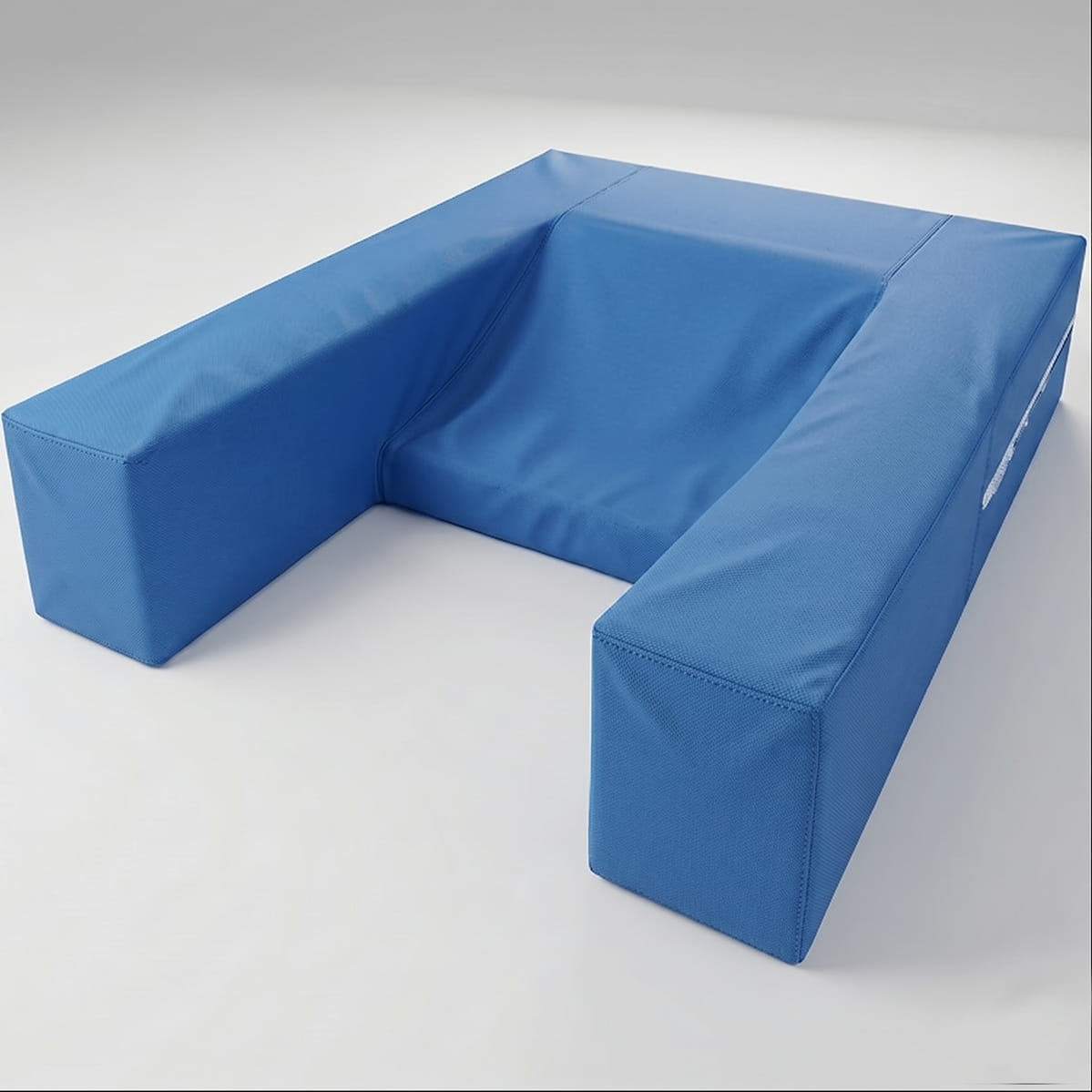
Sleep is part of healing after shoulder surgery. A recliner is the usual advice, but most people can’t sleep in one for weeks. Restore You keeps you in the position your surgeon wants while you sleep in your own bed.
See the Restore You Therapeutic Support: $199, free standard shipping in the U.S.