How Long Until You Sleep Normally After Rotator Cuff Surgery?
By Scott Adams, Founder, Surgical Recovery SystemsUpdated · 8 min read
The short answer
Most people sleep propped up for four to six weeks after rotator cuff repair and get back to normal sleep over the following weeks, depending on the repair and their surgeon’s plan. The first two weeks are usually the hardest.
When can I sleep in my own bed again?
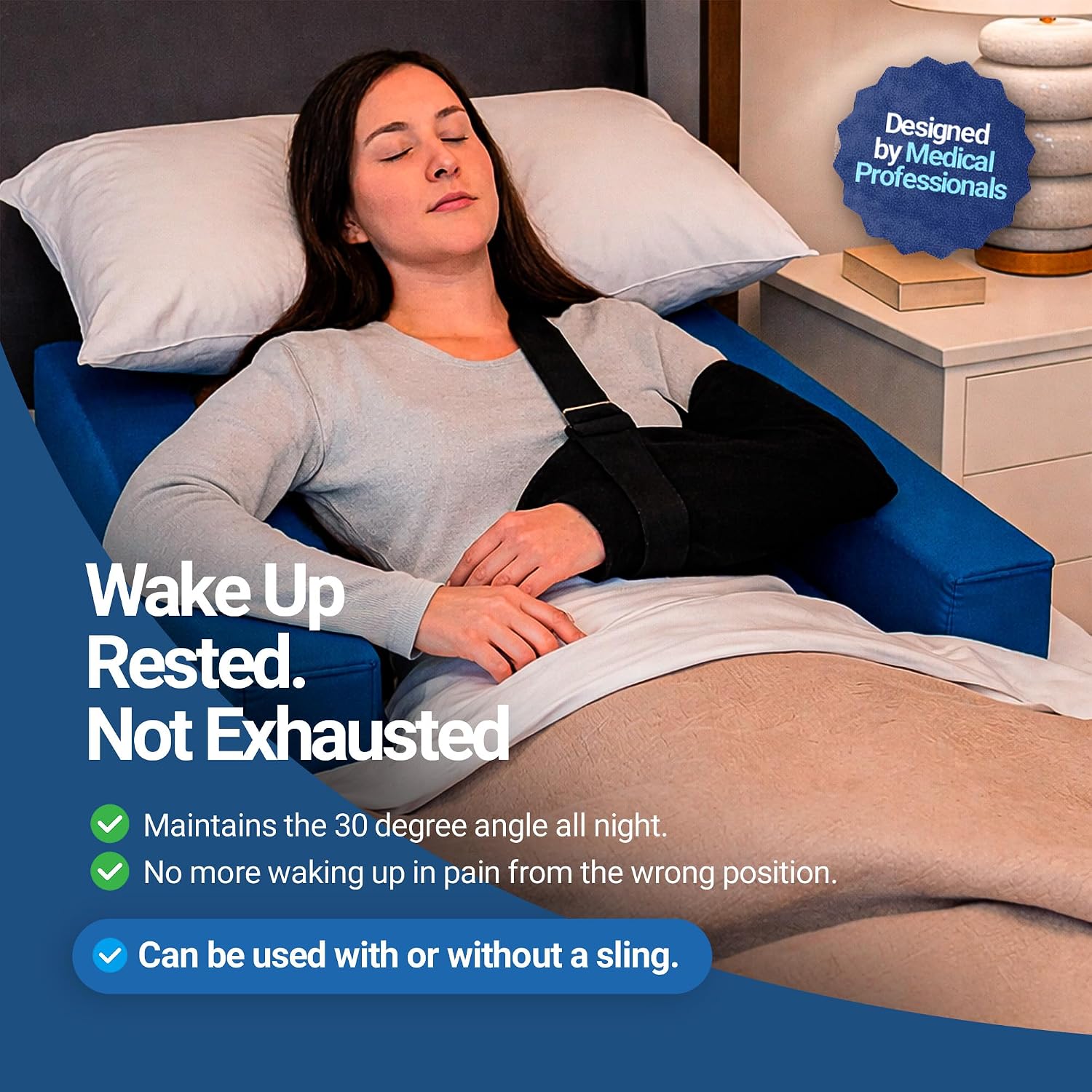
Many people sleep in a recliner for four to six weeks after rotator cuff repair because lying flat in bed hurts. You may be able to sleep in your own bed sooner if your back is raised and your arm is supported, and your surgeon agrees. Ask about it at your first follow-up. For positions and the sling, see how to sleep after shoulder surgery.
What to Expect at Each Stage of Rotator Cuff Surgery Recovery
One of the most common questions patients ask before rotator cuff surgery is, “When will I finally be able to sleep normally again?”It’s an understandable concern. Sleep becomes surprisingly difficult after a rotator cuff repair, and for many people, the lack of quality rest is more frustrating than the shoulder pain itself.The good news is that recovery follows a fairly predictable pattern. While every patient heals differently, research shows that approximately 77% of patients return to normal sleep within six months after surgery. The exact timeline depends on factors such as the size of the tear, the complexity of the repair, your overall health, and how closely you follow your surgeon’s recovery instructions.
Why Is Sleeping So Difficult After Rotator Cuff Surgery?
Even before surgery, many people with a torn rotator cuff struggle to sleep, often searching for the best way to sleep because their shoulder pain worsens when lying down. In fact, not being able to find a painless sleep position is often one of the reasons patients seek treatment, and end up finding out that they need rotator cuff surgery. After surgery, those challenges temporarily increase.While your shoulder is healing from a surgical repair, inflammation is part of the normal recovery process. During the first few weeks, you’ll likely need to wear a sling continuously. Rolling onto the repaired shoulder or moving your arm unexpectedly during sleep can cause pain and potentially stress the repair, making comfortable rest difficult during the early stages.The first two weeks are usually the most challenging, but improvement typically comes gradually as recovery progresses.
The Recovery Timeline: How Long to Sleep Normally After Rotator Cuff Surgery
Weeks 1–2: The Most Challenging Stage
The first two weeks require the most patience. Many patients sleep only a few hours at a time during this stage.Most surgeons recommend sleeping with your upper body elevated approximately 30 to 45 degrees while also keeping the surgical arm supported in a stable position. These positioning principles help reduce swelling, minimize tension on the repaired tendon, and discourage rolling onto the healing shoulder.Consistent pain management and proper positioning become especially important in this stage.
Weeks 3–6: Gradual Progress
As inflammation begins to decrease, the initial sharp pain often gives way to a dull ache. Many patients notice they can sleep for slightly longer stretches without waking as often.Although improvement can feel slow, this stage often marks the beginning of more consistent sleep after rotator cuff surgery.
Weeks 6–12: Sleeping 6 Weeks After Rotator Cuff Surgery
One of the biggest milestones arrives around six weeks, although your surgeon will determine when it’s appropriate based on your individual recovery.For many patients, sleeping 6 weeks after rotator cuff surgery becomes noticeably easier. With medical clearance, you may gradually reduce your sleeping incline and begin transitioning toward a flatter sleeping position.Many people report getting four to six uninterrupted hours of sleep during this period.
Months 3–6: Returning to Normal
Significant improvement starts showing from the third month.By six months, approximately 77% of patients report sleeping normally again. Many are also cleared to sleep on their non-surgical side using supportive pillows to keep the operated shoulder properly aligned.Although occasional soreness can still occur at this stage, most patients are no longer planning their entire night around shoulder discomfort.
Beyond Six Months
It’s important to note that not everyone follows the same timeline. Patients with larger tears or more extensive repairs may need additional time before sleep feels completely normal. For some, improvements continue for up to one or even two years after surgery.Fortunately, sleep quality often returns before the shoulder reaches its maximum strength and function.
A realistic week-by-week sleep timeline
Weeks 1–2
This is the hardest stretch. Pain, medication side effects, and an unfamiliar sling make consistent positioning difficult, and short, broken sleep is common.
Weeks 3–4
Pain typically starts to ease. You’re more familiar with your positioning needs, and this is often when patients notice the biggest difference between improvised setups and something built for the job.
Most patients return to their pre-surgery sleep positions by around six months, but plenty continue using positioning support during this stretch simply because they’ve adjusted to the comfort and don’t want to give it up yet.
Creating a Better Sleep Environment
Temperature Control:Keep your room cool, between 65 and 68°F. Your body heals better in a cooler environment, and you’re less likely to overheat (which is common when sleeping elevated with an immobilized arm).
Darkness and Quiet:Your recovery sleep needs to be of the highest quality possible. Use blackout curtains, turn off screens an hour before bed, and consider a white noise machine if you’re a light sleeper.
Easy Access to Essentials:You don’t want to reach or twist for things in the middle of the night. Set up a bedside table with:
Water bottle with a straw
Pain medication
Phone (for emergencies)
Extra pillows for adjustment
Tips for Sleeping Better During Recovery
Small adjustments can make a meaningful difference throughout recovery.
Sleep Position:Sleeping on your back with your upper body elevated remains the preferred position during the early weeks. Supporting your surgical arm with a pillow helps reduce strain on the repaired tendon. Sleeping on your non-surgical side should only begin after your surgeon approves it.
Room Environment:Your bedroom environment also impacts the quality of your sleep. Keeping the room cool, limiting screen time before bed, and minimizing light and noise can help improve sleep.
Pain Management:Taking prescribed medication 30 to 60 minutes before bedtime, as instructed by your physician, helps it take effect as you try to fall asleep. Many surgeons also recommend icing the shoulder before bed to help reduce discomfort.
Does Sleeping in a Recliner Help?
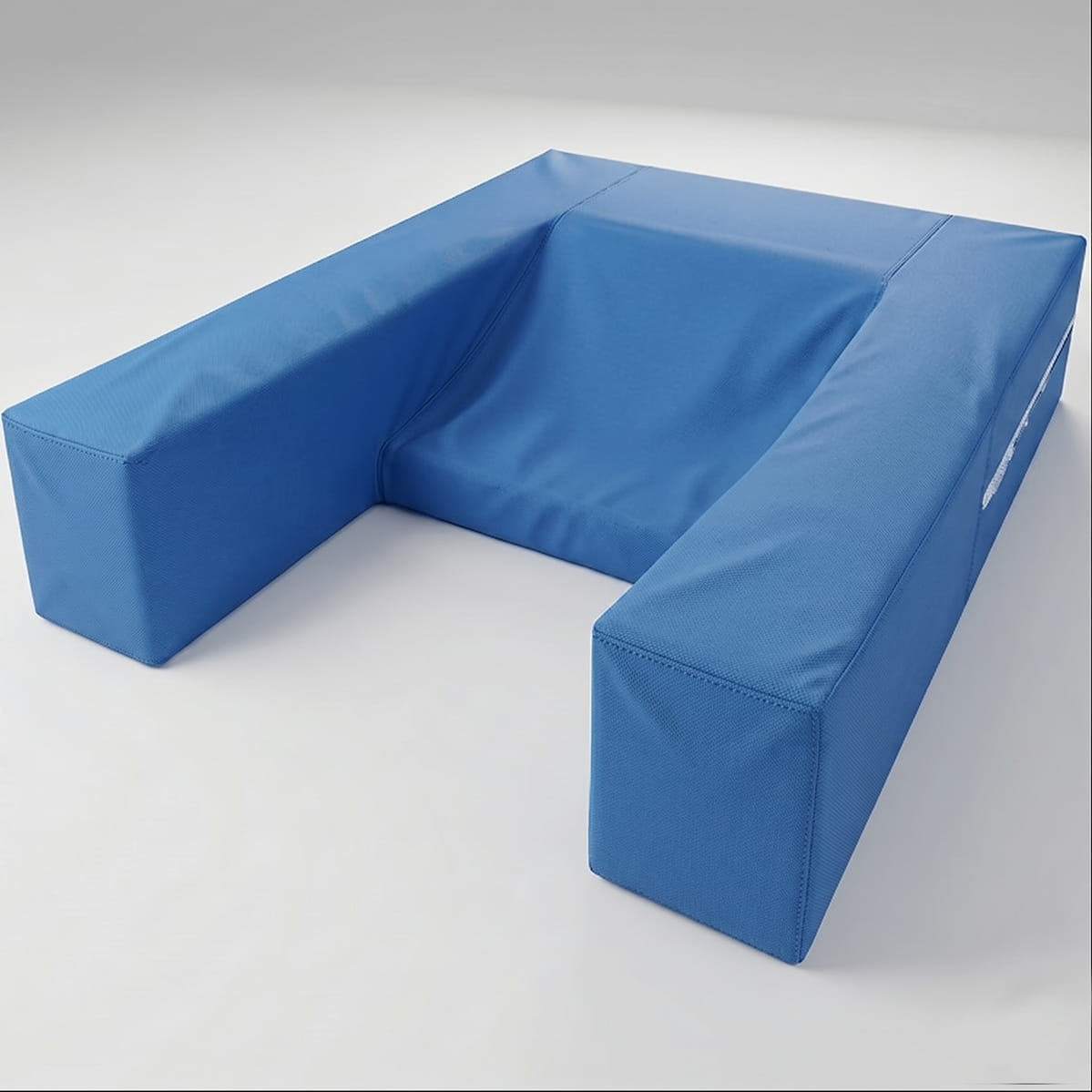
It’s common for patients to start recovery in a recliner because it keeps the upper body elevated.While this position can be helpful during the first several days, recliners don’t always provide adequate support for the surgical arm. Without proper arm positioning, unnecessary tension can develop across the repaired shoulder.As your recovery progresses, many patients find sleeping in bed with proper elevation and arm support to be a more comfortable long-term solution. If you’re deciding between the two options, our comparison ofrecliner vs. recovery pillow after shoulder surgery walks through the advantages and limitations of each approach.
Common Sleep Mistakes to Avoid
Lying Flat:One of the most common mistakes is lying completely flat before your surgeon approves it. Doing this too early on can increase pressure on the repaired tissues and make worsen any discomfort.
Stop Wearing Your Sling:It’s equally important to continue wearing your sling at night until your surgeon advises otherwise. Even while asleep, unexpected movements can place unnecessary stress on the healing arm.
Stop Taking Medication: Some patients also stop taking pain medication prematurely or attempt to use alcohol as a sleep aid. Both approaches can interfere with healthy recovery and should be discussed with your physician if sleep continues to be difficult.
Questions people ask about sleeping after rotator cuff surgery
How long does rotator cuff surgery recovery take?
Most patients return to daily activities within four to six months and achieve significant strength recovery by twelve months. The timeline depends on the size and complexity of the tear, surgical technique, and how consistently the rehabilitation program is followed.
What is the best way to sleep with a torn rotator cuff before and after surgery?
Before surgery, most patients find sleeping at a thirty to forty-five degree incline with the arm supported reduces pain compared to sleeping flat. After surgery, maintaining the Maximally Loose Packed Position (slight forward flexion and internal rotation) minimizes tension on the repair. Specialized positioning devices designed for post-surgical recovery are significantly more effective at maintaining this position through the night than standard pillows.
When do most patients get their first full night of sleep after rotator cuff surgery?
This varies considerably based on positioning support. Patients with adequate positional support often experience their first full six to eight hour nights somewhere between weeks six and ten. Patients relying on recliners or standard pillows often report fragmented sleep extending well into month three.
Can poor sleep really slow down my rotator cuff surgery recovery?
Yes, and the mechanism is well established. Deep sleep drives growth hormone release, which stimulates the collagen production necessary for tendon healing. Sleep deprivation elevates inflammatory cytokines, amplifies pain perception, and compromises immune function. Patients averaging two to three hours per night heal measurably more slowly than those achieving six to eight hours of continuous sleep.
When can I stop wearing my sling after rotator cuff surgery?
Sling protocols vary by surgeon and tear complexity, but most patients wear their sling for four to six weeks. Your surgeon will determine when you are ready to begin weaning, based on healing progress and physical therapy milestones. Do not discontinue the sling ahead of schedule even if you feel capable. The tendon repair remains vulnerable long before it feels that way.
Is it normal to feel depressed during rotator cuff recovery?
Yes. Loss of independence, chronic pain, and sleep deprivation combine to create conditions that commonly trigger anxiety and low mood after shoulder surgery. If feelings of sadness or hopelessness persist beyond two weeks or include thoughts of self-harm, contact your healthcare provider. Post-surgical depression is a recognized medical condition and responds well to appropriate treatment.
When Should You Call Your Surgeon?
Some sleep disruption can be expected, particularly during the first several weeks. However, contact your surgical team if:
Pain suddenly becomes significantly worse
You experience new numbness or weakness
Notice signs of infection
Find that anxiety or persistent insomnia is preventing you from functioning during the day
Your surgeon may recommend adjustments to your recovery plan or pain management strategy.
Why Sleep Matters for Healing
Sleep isn’t simply a time to rest. During deep sleep, your body releases hormones involved in tissue repair while supporting normal immune function. Quality sleep reduces that inflammatory burden, and consistently poor sleep has been associated with slower healing after surgery.Although occasional difficult nights are expected, making sleep a priority throughout recovery is an important part of protecting your surgical repair.
Sleep is part of healing after shoulder surgery. A recliner is the usual advice, but most people can’t sleep in one for weeks. Restore You keeps you in the position your surgeon wants while you sleep in your own bed. See the Restore You Therapeutic Support: $199, free standard shipping in the U.S.