Expedited Shipping for $35
✦
FREE STANDARD SHIPPING IN THE U.S.
✦
SLEEP BETTER. HEAL FASTER
✦
FREE STANDARD SHIPPING IN THE U.S.
✦

Shoulder surgery recovery is about more than protecting the repair and attending physical therapy appointments. For many patients, the emotional side of recovery can be just as challenging. Interrupted sleep, anxiety about movement, discomfort at night and temporary loss of independence can all make the healing process feel more difficult than expected.
The good news is that these challenges are common, and there are practical ways to regain a sense of control. Creating better sleep habits, managing anxiety, and maintaining proper support throughout the night can help you feel more comfortable and promote healing through better rest.
Even when surgery goes exactly as planned, recovery introduces a level of uncertainty that many people aren’t prepared for.
At the same time, pain medication, reduced activity and changes to your normal routine may leave you feeling emotionally drained.
Sleep often becomes one of the first casualties.
Many patients find themselves waking frequently, struggling to find a comfortable position or worrying about rolling onto the surgical shoulder. Over time, poor sleep and anxiety can reinforce one another, making both harder to manage.
Recognizing that this cycle is a normal part of recovery, and not a sign that something is wrong, is often the first step toward breaking it.
During sleep, your body carries out many of the processes involved in tissue repair and physical recovery. While you cannot “sleep your way” to faster healing, consistently getting quality rest helps support the body’s natural recovery process.
Unfortunately, shoulder surgery can make restorative sleep difficult.
Pain may wake you during the night. Wearing a sling can feel restrictive. Elevation requirements may force you into unfamiliar sleeping positions. Anxiety about movement can make it difficult to relax enough to fall asleep in the first place.
These challenges are why many patients begin searching for injury recovery sleep tips within the first few weeks after surgery.
The goal isn’t simply spending more hours in bed. It’s creating the conditions for restorative sleep for healing, allowing your body and mind to recover together.
While every recovery is different, several simple habits can make nights more manageable.
These small adjustments may not eliminate every sleepless night, but together they can significantly improve sleep quality after the operation.
Comfort isn’t only about reducing pressure on your shoulder. Feeling properly supported can also reduce the anxiety that comes from worrying about accidental movement while sleeping.
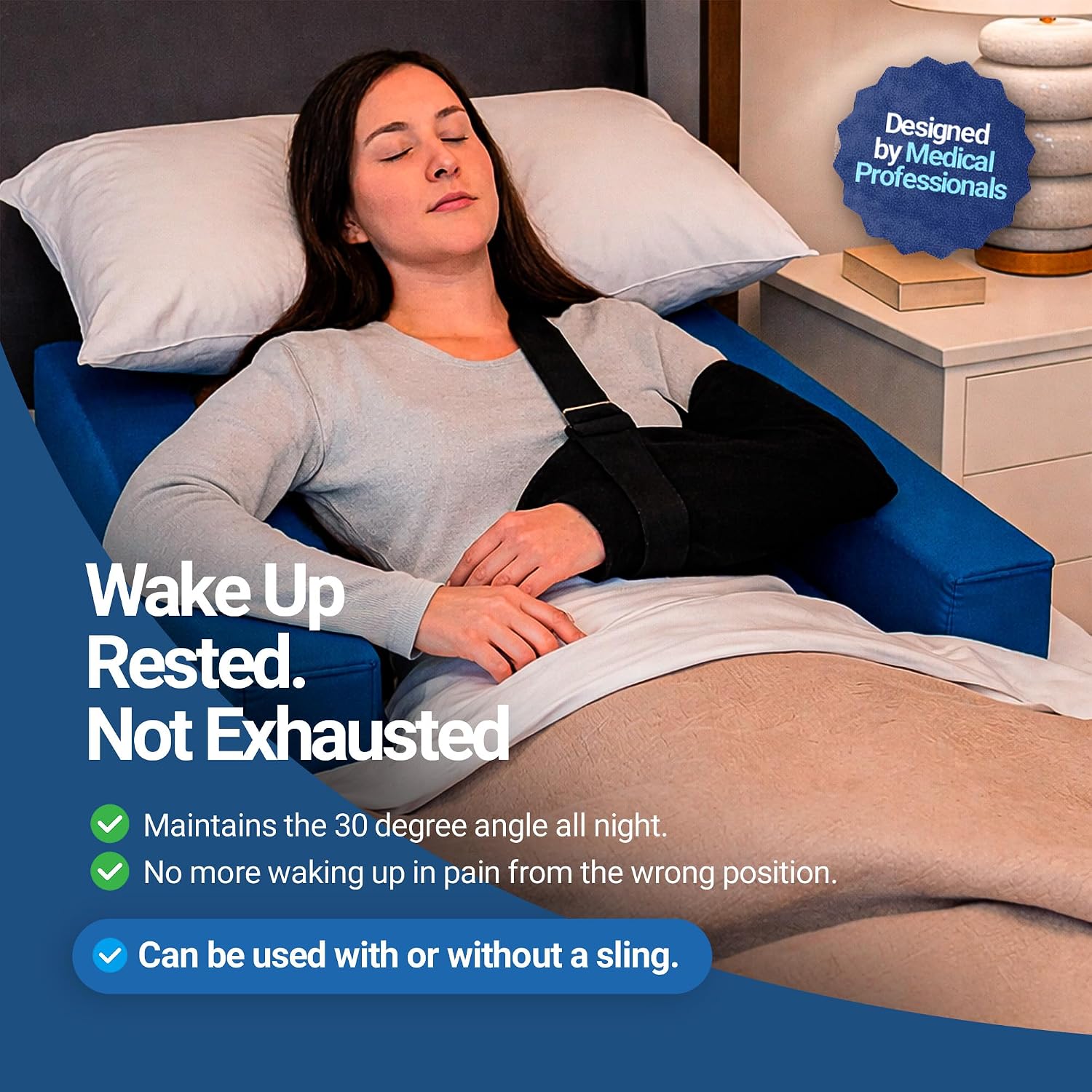
Many surgeons recommend sleeping with the upper body elevated during the early stages of recovery. This position may help reduce swelling while making it easier to get in and out of bed.
Equally important is maintaining consistent support that helps keep the shoulder in a comfortable resting position throughout the night. When your body feels stable, many patients report feeling more relaxed and less concerned about shifting unexpectedly while asleep.
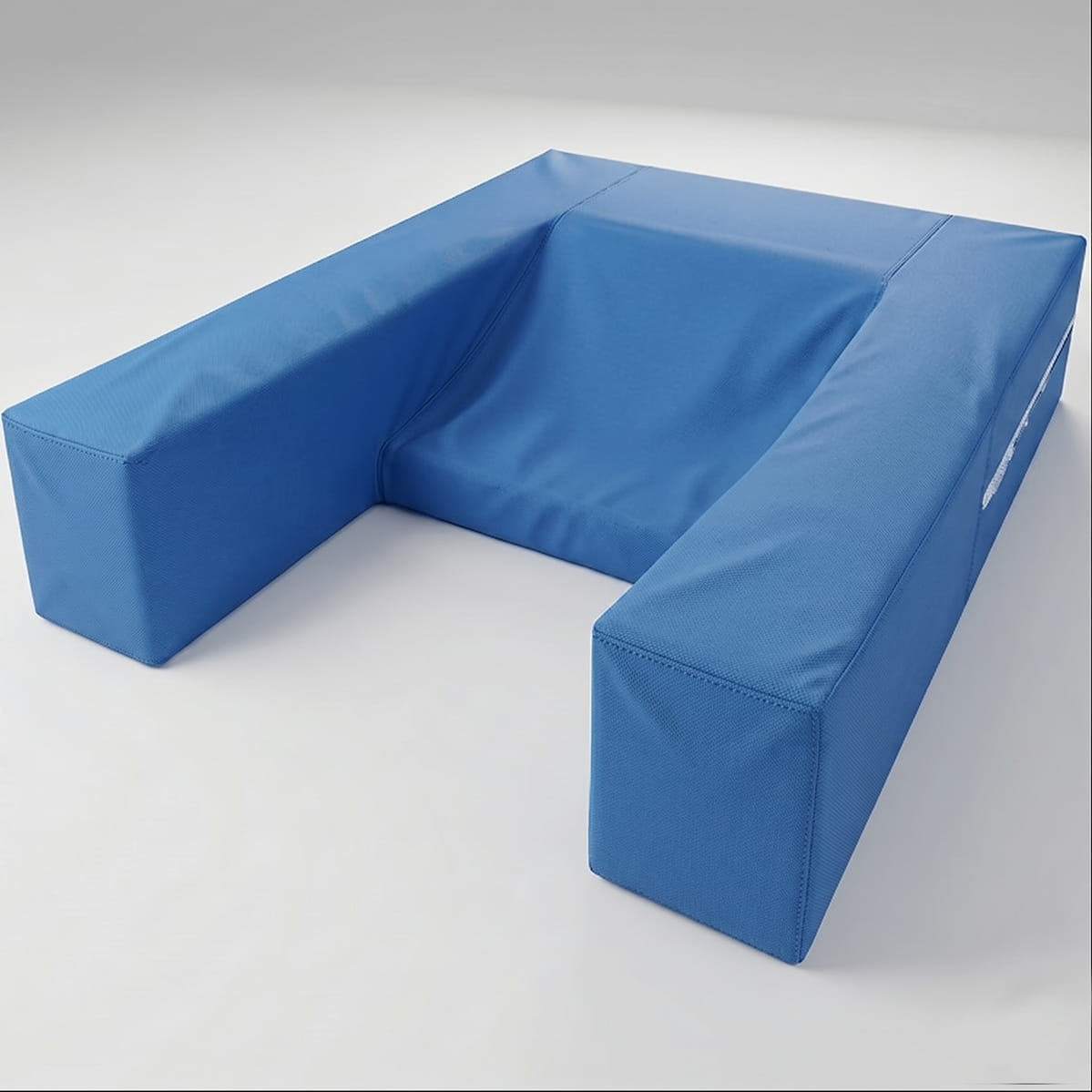
Rather than relying on multiple pillows that can move or collapse overnight, dedicated positioning systems are designed to provide structured support that stays in place as you rest. Consistent positioning can make bedtime feel less stressful while helping create a more comfortable environment for recovery.
At Surgical Recovery Systems, our therapeutic support system is designed to help patients achieve comfortable positioning throughout recovery without relying on unstable pillow arrangements.
Recovery isn’t measured by one perfect night of sleep. It’s built through consistent daily habits.
Gentle movement as approved by your surgeon or physical therapist, staying hydrated, eating nutritious meals and following your rehabilitation plan all contribute to your overall progress.
Equally important is taking care of your mental well-being.
Remember that healing isn’t always linear. Some days will feel easier than others, and occasional setbacks are a normal part of recovery.
Keep reading
Sleep is part of healing after shoulder surgery. A recliner is the usual advice, but most people can’t sleep in one for weeks. Restore You keeps you in the position your surgeon wants while you sleep in your own bed.
See the Restore You Therapeutic Support: $199, free standard shipping in the U.S.