Expedited Shipping for $35
✦
FREE STANDARD SHIPPING IN THE U.S.
✦
SLEEP BETTER. HEAL FASTER
✦
FREE STANDARD SHIPPING IN THE U.S.
✦

Shoulder arthroscopy is one of the most common orthopedic procedures used to treat rotator cuff tears, labral injuries, impingement, and other shoulder conditions. While the procedure is minimally invasive, recovery still takes time, patience, and consistent care.
Every stage of healing matters. Small daily decisions can influence your comfort, mobility, and progress during recovery. Many patients focus on physical therapy and pain management, but overlook simple habits that can make the process more difficult than it needs to be.
If you’re preparing for surgery or have recently returned home, here are seven common mistakes to avoid during shoulder surgery recovery and practical ways to make healing go more smoothly.
It’s natural to want to get back to your normal routine as quickly as possible. Many people begin feeling better after the first couple of weeks and assume they can increase activity ahead of schedule.
The tissues inside your shoulder, however, continue healing long after pain begins to decrease. Lifting, reaching overhead, carrying groceries, or returning to sports too early can place unnecessary stress on the surgical repair.
Your surgeon and physical therapist create a recovery plan based on your specific procedure. Following that timeline gives your shoulder the opportunity to heal safely.
Helpful shoulder surgery recovery tips include:
Recovery is a gradual process, and steady progress often leads to better long-term results.
Physical therapy plays an important role in rebuilding shoulder function after arthroscopy.
Some patients become discouraged when progress feels slow, while others try to speed things up by adding exercises on their own. Both approaches can create setbacks.
Your rehabilitation program is designed to introduce movement at the right time while protecting healing tissues.
If you’re performing at home physical therapy, remember to:
Consistency usually matters more than intensity.
Sleep is one of the most overlooked parts of recovery.
Many patients discover that sleeping flat or rolling onto the healing shoulder causes discomfort that wakes them repeatedly throughout the night. Others end up spending weeks sleeping in a recliner because they cannot find a comfortable position in bed.
Comfort matters during recovery because quality sleep supports your body’s natural healing processes.
Your surgeon may recommend sleeping on your back or on your unaffected side while keeping the recovering shoulder properly supported.
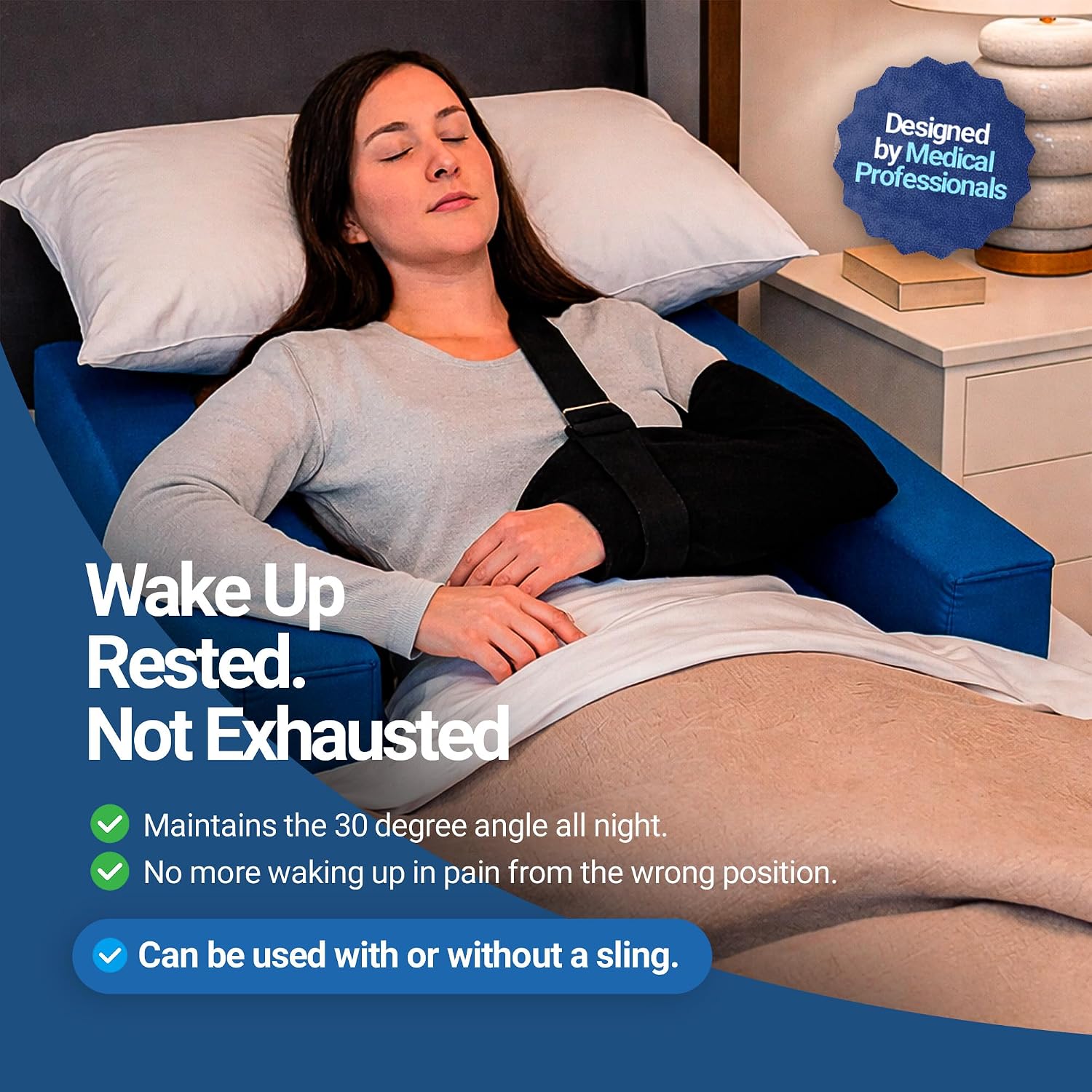
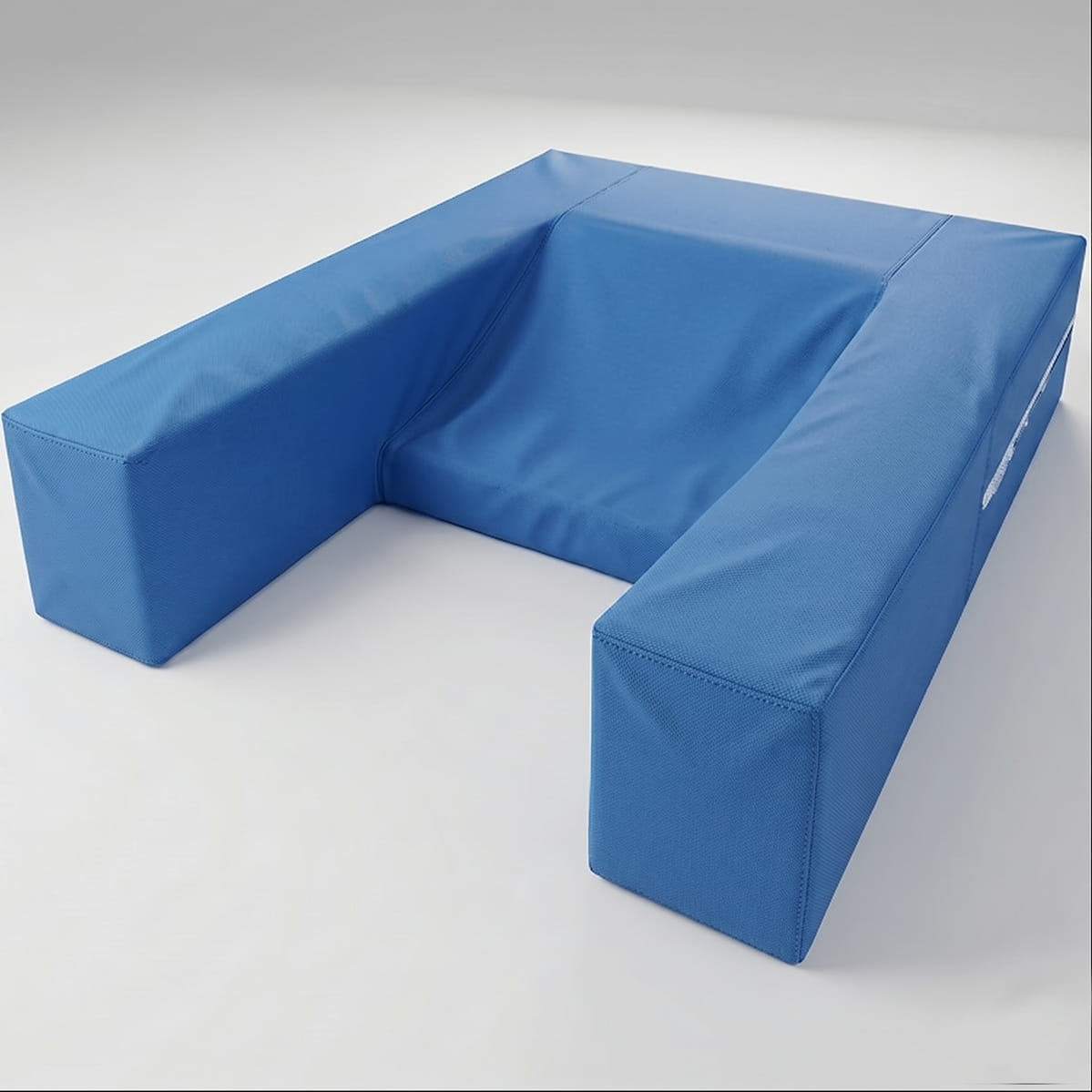
Using a clinically designed positioning support can help keep your shoulder in a comfortable position throughout the night, reducing unnecessary movement while you rest. Many patients find they are able to return to sleeping in their own bed sooner with the right support.
Creating a comfortable sleep environment is one of the simplest shoulder surgery recovery tips that patients often overlook.
Your sling protects the surgical repair during the early stages of recovery.
Some patients remove it more often than instructed because it feels restrictive. Others wear it incorrectly, allowing the shoulder to drift into unsupported positions.
Small adjustments can make a difference.
Make sure your sling:
If you’re unsure whether it fits correctly, ask your surgeon or physical therapist to check it during your next visit.
Following sling instructions helps protect your shoulder while tissues continue healing.
It’s easy to assume everything is progressing normally if pain begins to improve.
Follow-up visits allow your surgeon to monitor healing, evaluate shoulder function, and determine when it’s safe to begin new activities.
These appointments also provide an opportunity to discuss:
Even if recovery feels on track, regular evaluations remain an important part of the stages of recovery after surgery.
Some soreness during rehabilitation is expected.
Persistent swelling, increasing pain, fever, drainage around the incision, or sudden loss of movement deserve prompt medical attention.
Listening to your body helps prevent small concerns from becoming larger problems.
If something feels different than expected, contact your healthcare provider rather than waiting for your next scheduled appointment.
Early communication often leads to quicker fixes and less worry.
Many recovery plans focus on what happens during waking hours.
Patients carefully complete exercises, wear their sling, take medications as directed, and attend therapy sessions. Then nighttime arrives, and they spend hours searching for a comfortable position.
Interrupted sleep can leave you feeling exhausted, making each day more challenging physically and mentally.
Supporting your shoulder while you sleep helps create a more comfortable recovery experience. Proper positioning may also reduce unnecessary strain caused by rolling or shifting during the night.
Preparing your sleep setup before surgery can make those first nights at home much less stressful.
After rotator cuff surgery rehab or another arthroscopic shoulder procedure, your nighttime routine deserves the same attention as your daytime rehabilitation plan.
Every patient’s timeline is different, but shoulder arthroscopy recovery generally follows several phases.
The priority is protecting the repair while managing pain and swelling. Your sling, sleep position, and limited movement all play important roles during this stage.
Guided physical therapy gradually increases your range of motion while continuing to protect healing tissues.
As healing progresses, strengthening exercises become a larger part of rehabilitation.
Your surgeon will determine when it’s appropriate to resume work, sports, and other higher-demand activities based on your progress.
Understanding these stages of recovery after surgery helps set realistic expectations and encourages patience throughout the process. Explore our recovery guides to learn more about how to heal after surgery.
Recovering after shoulder arthroscopy involves much more than waiting for time to pass. Every decision, including how you sleep, how you perform your exercises, and how closely you follow your care plan, contributes to your overall experience.
Simple habits such as supporting your shoulder during sleep, following your physical therapy instructions, attending follow-up appointments, and avoiding unnecessary strain can help you feel more comfortable throughout recovery.
Restore You was designed to support patients recovering from shoulder surgery by helping them maintain a comfortable sleeping position in their own bed. Its clinically engineered design supports the shoulder while you rest, making those first nights at home easier to manage.
If you’re preparing for surgery, planning your recovery before the procedure can help you focus on what matters most: getting the rest your body needs to heal.
Keep reading
Sleep is part of healing after shoulder surgery. A recliner is the usual advice, but most people can’t sleep in one for weeks. Restore You keeps you in the position your surgeon wants while you sleep in your own bed.
See the Restore You Therapeutic Support: $199, free standard shipping in the U.S.