Expedited Shipping for $35
✦
FREE STANDARD SHIPPING IN THE U.S.
✦
SLEEP BETTER. HEAL FASTER
✦
FREE STANDARD SHIPPING IN THE U.S.
✦
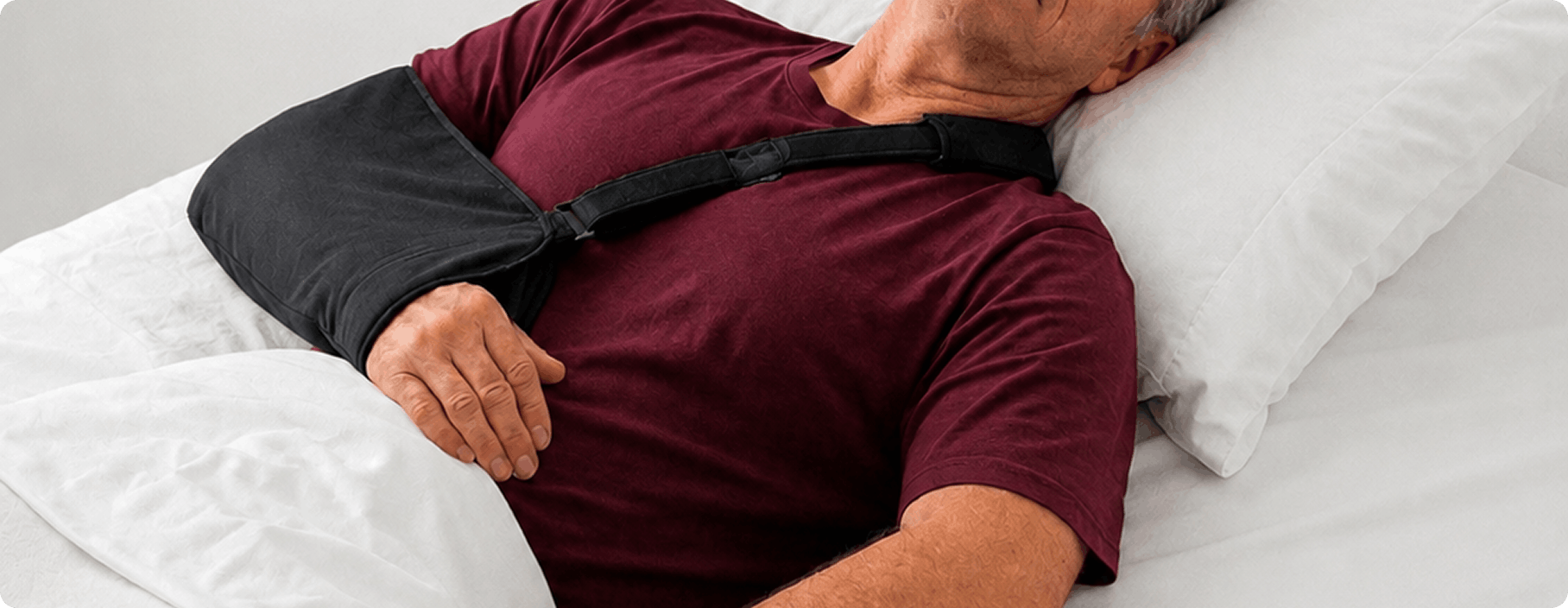
Nobody warns you that sleeping through the night is going to be the hardest part of shoulder surgery recovery. Anesthesia lingers in your system, stress hormones spike, and your shoulder needs to stay locked in a specific position for weeks. All of that adds up to broken, shallow sleep right when your body needs deep, restorative sleep the most.
Understanding the stages of recovery after surgery, specifically how your sleep evolves week by week, helps you set realistic expectations and make adjustments before frustration sets in.
Here’s what typically happens to your sleep from day one through week 12, and what helps at each stage.
In the first week, your body is still processing the physiological aftershock of surgery. Anesthesia disrupts normal sleep architecture, and elevated cortisol from surgical trauma keeps your nervous system on alert even when you’re exhausted. Pain medication adds another layer, often causing vivid dreams or grogginess that doesn’t translate into quality rest.
Most patients report sleeping in short bursts of one to two hours before pain or positioning discomfort wakes them. This is one of the main problems with sleeping in a recliner, which is the universal advice by most surgeons now.
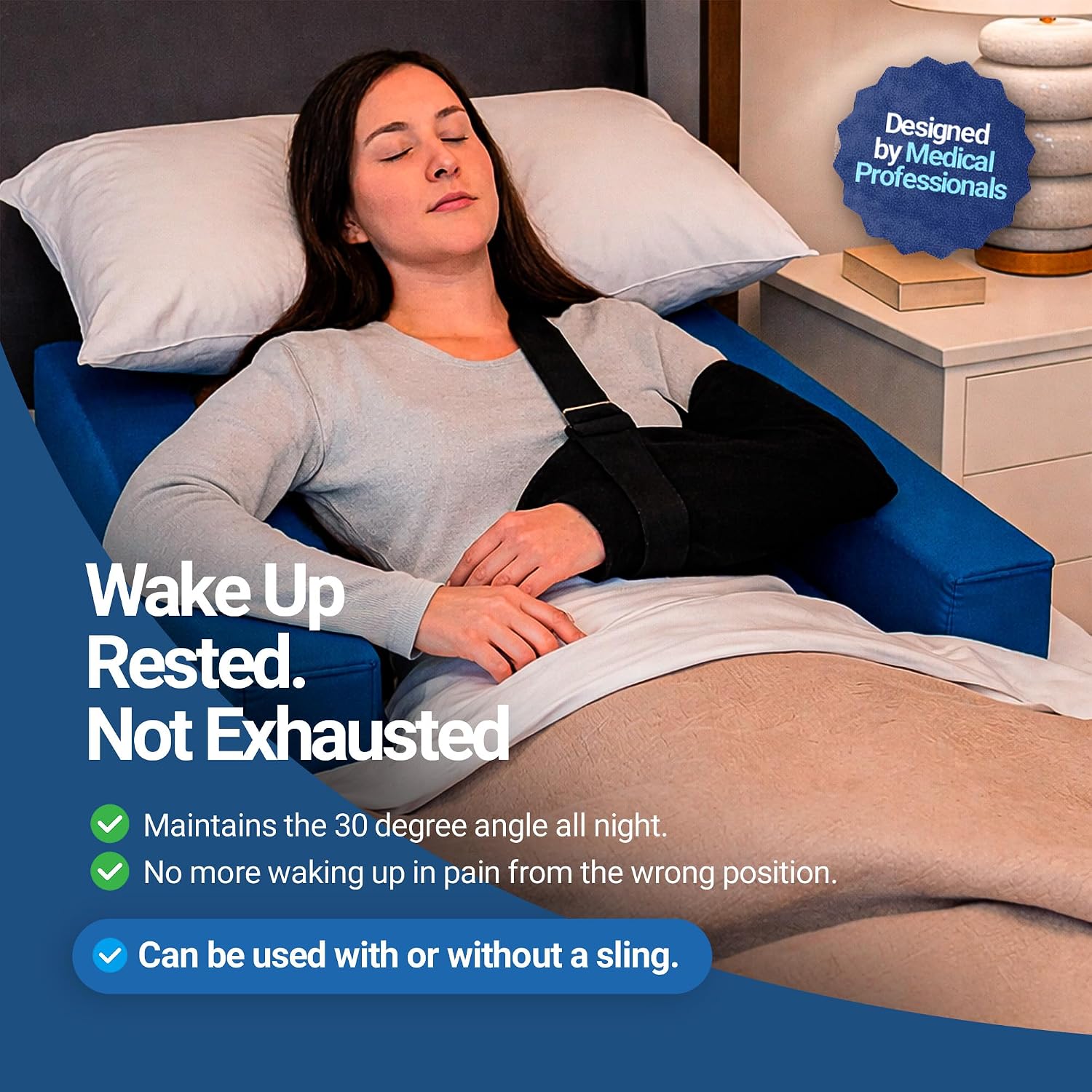
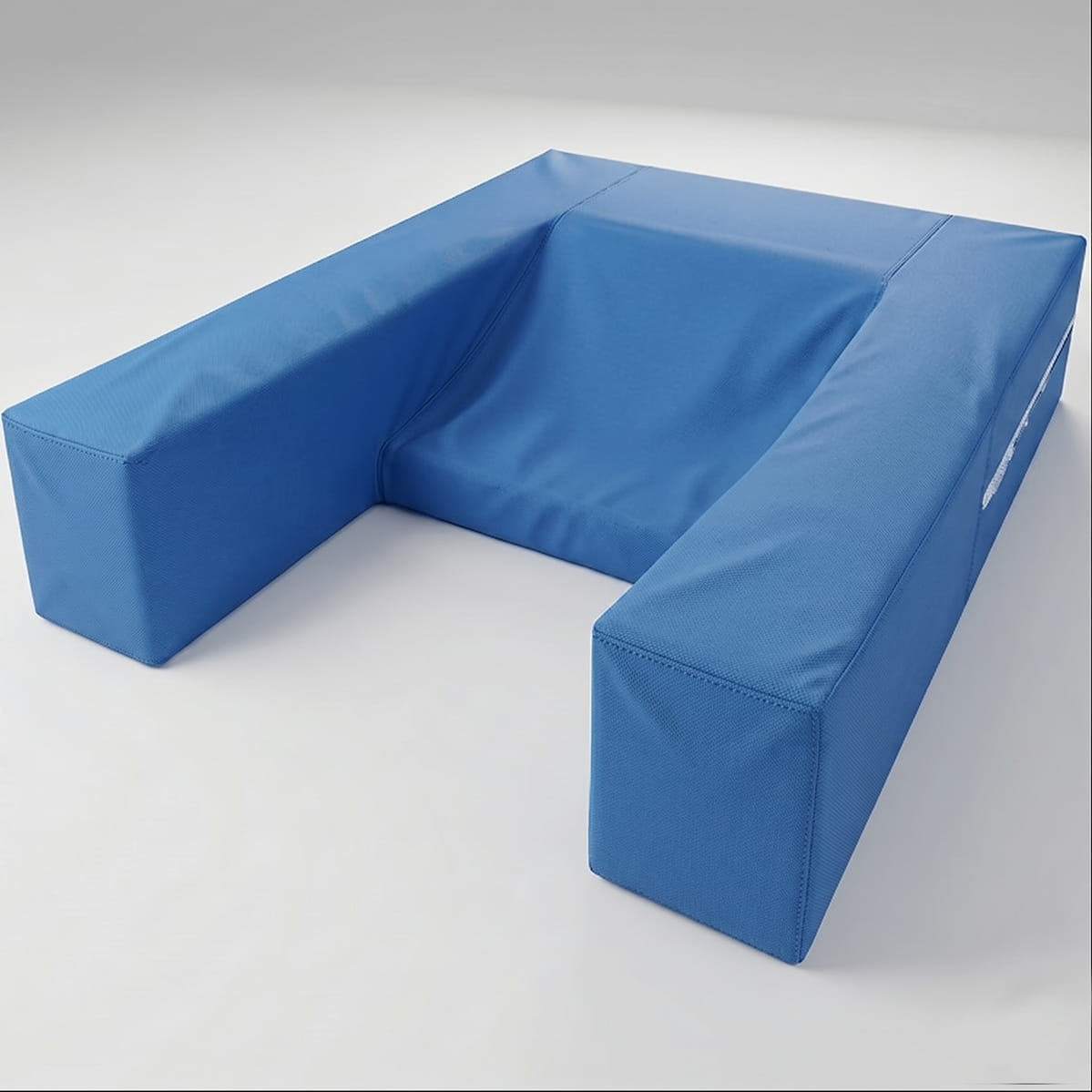
A positioning support (like Restore You) can make a substantial impact here by securing your shoulder in position, freeing you from constantly rearranging soft pillows each time you wake up.
By the second week, the anesthesia haze lifts, but a new problem emerges: cumulative sleep debt. You’ve been averaging two to three hours a night, and your body is starting to feel it. This is when irritability, brain fog, and a flatter mood commonly show up, not because anything is going wrong with healing, but because sleep deprivation amplifies pain perception and emotional sensitivity.
Many patients are still sleeping in a recliner during this stage, which prevents the deep sleep cycles needed for tissue repair. Recliners don’t allow proper spinal alignment, so even when you do drift off, you wake with neck and back stiffness on top of shoulder pain.
This is the point where switching from a recliner to your own bed with proper positioning support pays off. Patients using a therapeutic positioning system designed to maintain the Maximally Loose Packed Position (MLPP) report jumping from two to three hours of sleep to six to eight hours almost immediately, simply because the support holds the position automatically instead of shifting through the night.
Somewhere around week four, something shifts: swelling has decreased, pain medication needs are dropping, and your body starts tolerating longer stretches without waking. This is when patients first string together five or six consecutive hours of sleep, and the difference shows: less morning stiffness, better mood, and more energy for physical therapy.
Sleep during this stage matters more than people realize, since your body does its most active tissue repair during deep sleep cycles. Patients who are still struggling with positioning and shoulder support at this stage tend to fall behind in recovery, simply because 5 to 6 hours of sleep are still not enough; this is when proper shoulder support is needed the most.
Keep your nighttime positioning consistent, even as you start feeling better. It’s tempting to ditch supports early once pain eases, but your shoulder is still healing internally well past the point where it feels fine.
Staying in the proper position through week six protects the progress you’ve made.
This stage usually brings the most noticeable improvement. Most patients are easing out of the sling for longer stretches, and their bodies have adapted to whatever positioning routine they’ve settled into. Sleep becomes more predictable: similar bedtime, fewer wake-ups, and a sense of actually feeling rested in the morning rather than just surviving the night.
Physiologically, inflammation has settled significantly, and the nervous system isn’t in the same heightened alert state it was during week one. The connection between sleep and physical therapy outcomes becomes obvious here. Patients sleeping well are typically progressing faster through active strengthening exercises than those still piecing together fragmented rest.
Start paying attention to sleep environment basics again, since your body is more responsive to these cues now that acute healing demands have eased:
By week ten, many patients are sleeping close to their pre-surgery patterns, though the surgical shoulder may still feel sensitive in certain positions. This is the stage at which people often ask whether they still need positioning support at night. The honest answer: tissue healing continues well beyond 12 weeks, even though function returns faster. Dropping support too early, before your surgeon confirms full healing, risks rolling onto the shoulder overnight and undoing weeks of progress.
This stage is also when the cumulative effect of good sleep becomes clear in the overall surgery recovery timeline. Patients who prioritized restorative sleep from week one consistently report faster returns to normal activity than those who toughed it out in recliners or with stacked pillows that shifted overnight.
Sleep isn’t a side note in shoulder surgery recovery; it’s one of the main drivers of how fast and how well you heal. Each stage brings a different physiological challenge, but the through-line is the same: proper positioning matters more than willpower or toughing it out.
If you’re heading into surgery or already in the thick of recovery, think about your sleep setup with the same seriousness you’d give your physical therapy plan. Your bed, your positioning, and your routine all factor into how quickly you get back to normal life.
If stacked pillows and recliners aren’t cutting it, a purpose-built option like The Restore You Therapeutic Support from Surgical Recovery Systems is worth a look. It’s designed specifically to hold the shoulder in the proper position through the night, so you don’t have to think about it
Keep reading
Sleep is part of healing after shoulder surgery. A recliner is the usual advice, but most people can’t sleep in one for weeks. Restore You keeps you in the position your surgeon wants while you sleep in your own bed.
See the Restore You Therapeutic Support: $199, free standard shipping in the U.S.