Expedited Shipping for $35
✦
FREE STANDARD SHIPPING IN THE U.S.
✦
SLEEP BETTER. HEAL FASTER
✦
FREE STANDARD SHIPPING IN THE U.S.
✦

Your shoulder surgery may have gone exactly as planned. Your incision is healing. Your follow-up appointments are positive. Yet you still feel exhausted, anxious, irritable, or emotionally overwhelmed.
If that sounds familiar, you’re not alone.
Research suggests that symptoms of depression affect a great number of surgical patients during recovery. While most people prepare for pain and limited mobility, few expect the emotional impact of surgery. The combination of physical trauma, disrupted sleep, medications, and a sudden loss of independence can create the perfect conditions for low mood.
The good news is that these feelings are often temporary, and one of the most overlooked ways to improve them is by improving your sleep.
Post-surgical depression is driven by several biological and psychological changes happening at the same time:
General anesthesia and surgical trauma temporarily alter normal brain chemistry. Stress hormones such as cortisol remain elevated after surgery, and inflammation affects the neurotransmitters responsible for mood regulation.
Many patients describe feeling emotionally “off” for several weeks, even when their shoulder is healing normally.
Opioids remain an important part of pain management for many patients, but they can also contribute to mood swings, fatigue, and mental fog. Some antibiotics may also disrupt the gut microbiome, which plays an important role in serotonin production and overall emotional health.
One day, you’re driving, cooking, exercising, and sleeping however you like. The next, you need help getting dressed or showering, can’t lift your arm, and are constantly reminded of your limitations.
That temporary loss of autonomy can be emotionally draining, especially for patients recovering from reverse shoulder replacement or other procedures that require weeks of restricted movement.
Out of everything that affects mental health after surgery, sleep may have the greatest influence.
Pain and discomfort make it difficult to fall asleep and stay asleep. Poor sleep increases your sensitivity to pain the next day, and higher pain levels lead to more stress, more fatigue, and often greater reliance on pain medication. Then the cycle repeats.
Patients sleeping only two to three interrupted hours per night consistently report higher rates of anxiety, depression, and slower recovery than patients who regularly achieve six to eight hours of restorative sleep.
Sleep is also when your body performs much of its tissue repair. Deep sleep supports immune function, hormone regulation, memory, and emotional resilience. Without it, both your body and mind have a harder time recovering.
One of the biggest obstacles to recovery is finding a comfortable sleeping position.
Most orthopedic surgeons recommend sleeping with the shoulder elevated and supported to reduce swelling and protect healing tissues. Many patients try to accomplish this with a shoulder wedge pillow, a recliner, or stacks of regular pillows. However, the real challenge is consistency. With these options, pillows shift, wedges slide, and recliners often create neck, hip, and lower back discomfort while preventing restorative sleep.
Many patients spend the night waking every few hours just to reposition themselves. The result is fragmented sleep, which means your body never completes the deep sleep cycles that support healing and emotional recovery.
Improving sleep won’t eliminate every emotional challenge after surgery, but it can dramatically improve how you feel physically and mentally.
Sleeping comfortably in your own bed rather than in a recliner also restores a sense of normalcy. For many patients, simply sharing a bedroom with their partner again or being in their bedroom reduces feelings of isolation and change during recovery.
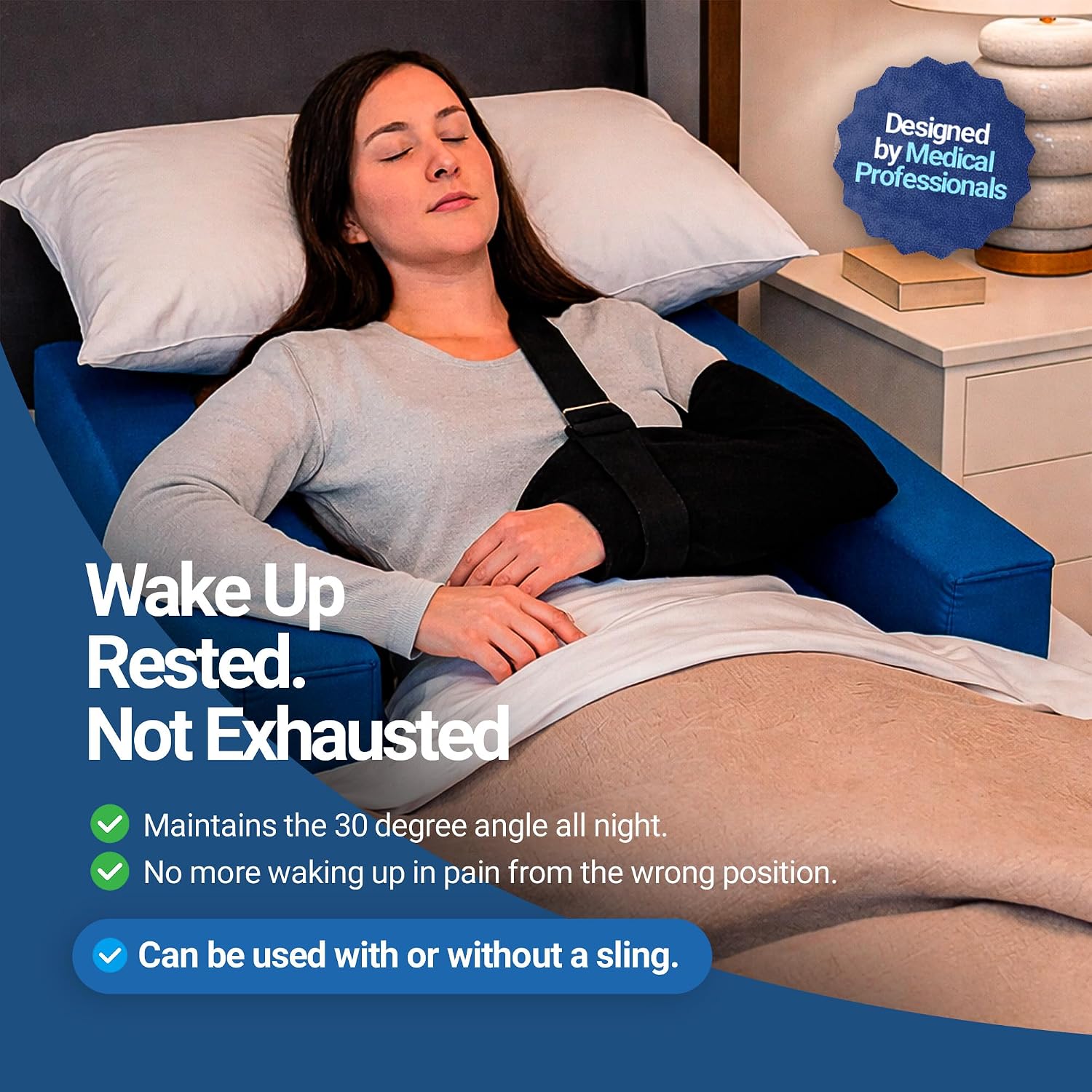
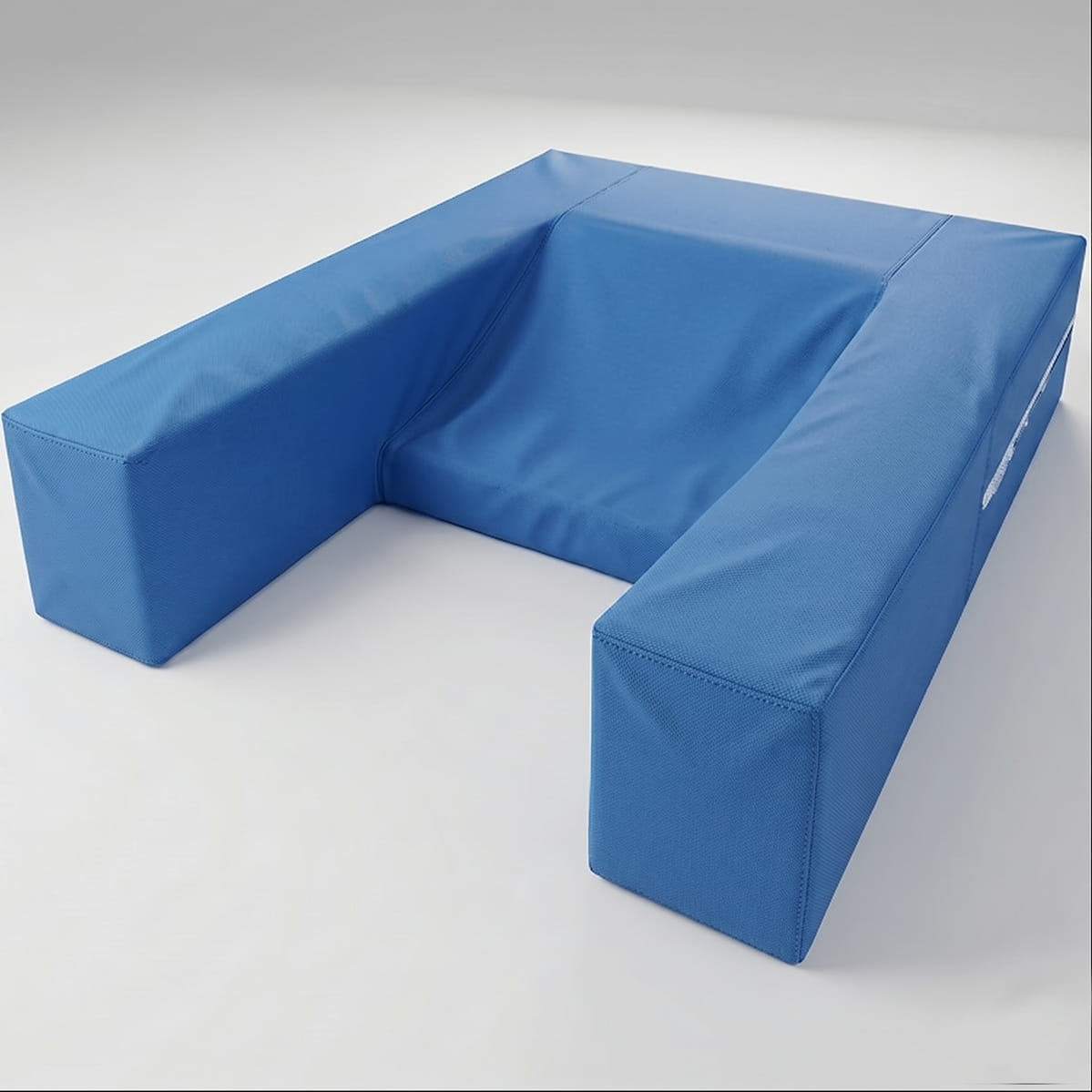
Purpose-built recovery systems, such as the Restore You Therapeutic Support, are designed specifically for shoulder surgery recovery. Rather than simply elevating your torso, they support your upper body and arms in the surgeon-recommended sleeping position while helping reduce the need for constant overnight adjustments.
According to Surgical Recovery Systems, 96% of users report sleeping 6 to 8 hours continuously, and users also report significantly reduced reliance on opioid pain medication during recovery.
Better positioning leads to better sleep, which helps regulate the hormones and neurotransmitters that influence mood, pain tolerance, and healing.
Recovery is a gradual process. It is about creating the conditions that allow healing to happen, rather than huge improvements every day. Some strategies that can make a meaningful difference in your recovery include:
Feeling emotional after surgery is common. Persistent depression is not something you need to simply “push through.”
Talk with your physician if symptoms such as hopelessness, loss of interest, appetite changes, severe anxiety, or difficulty functioning last longer than two weeks, or if they begin interfering with your recovery. Professional treatment, including counseling or Cognitive Behavioral Therapy (CBT), can make a significant difference.
If you ever experience thoughts of harming yourself, seek emergency medical care immediately.
Keep reading
Sleep is part of healing after shoulder surgery. A recliner is the usual advice, but most people can’t sleep in one for weeks. Restore You keeps you in the position your surgeon wants while you sleep in your own bed.
See the Restore You Therapeutic Support: $199, free standard shipping in the U.S.