Expedited Shipping for $35
✦
FREE STANDARD SHIPPING IN THE U.S.
✦
SLEEP BETTER. HEAL FASTER
✦
FREE STANDARD SHIPPING IN THE U.S.
✦
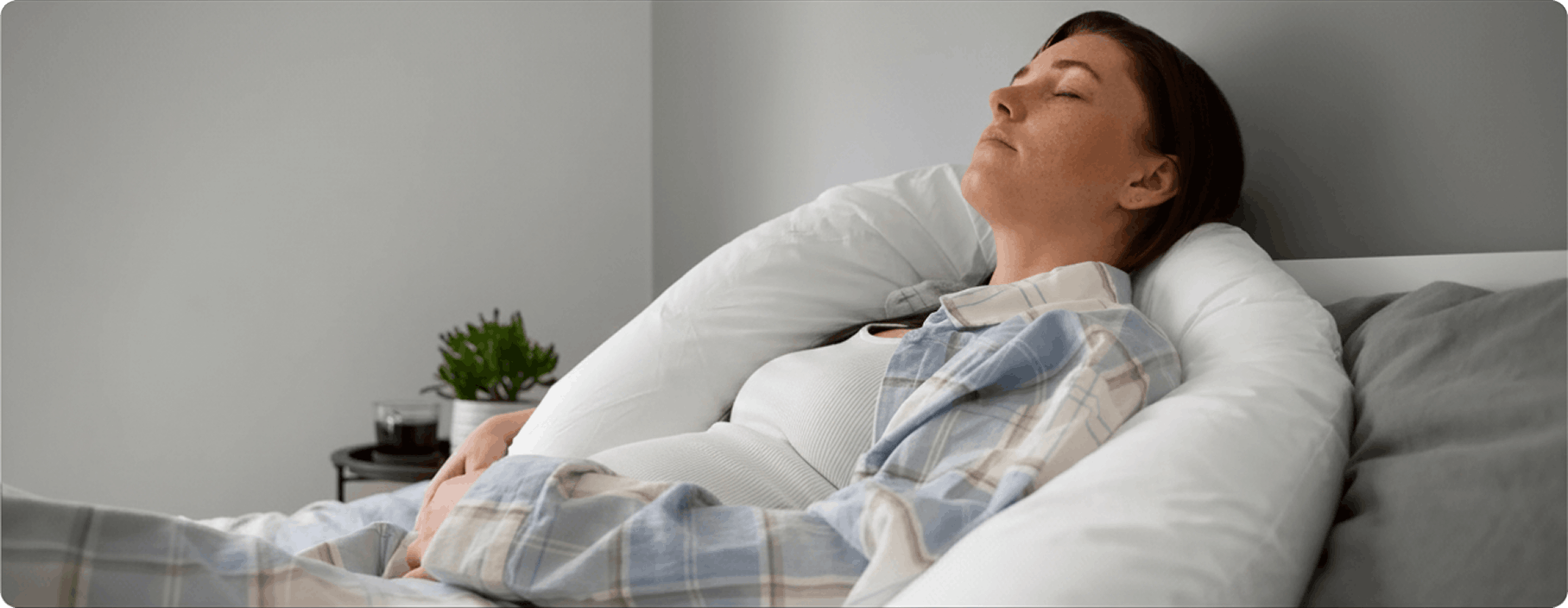
After a rotator cuff operation, one of the biggest challenges patients face isn’t physical therapy; it’s sleep.
Pain, swelling, sling restrictions, and the fear of accidentally moving the surgical arm can make restful sleep difficult during the early stages of recovery. While most patients focus on pain management and rehabilitation exercises, many don’t realize that sleep position itself plays an important role in protecting healing tissues.
Orthopedic surgeons frequently recommend specific positioning after shoulder surgery, not simply for comfort, but because the position of the arm can influence stress on the repaired tendon and surrounding structures.
Understanding why positioning matters can help patients make better recovery decisions and avoid common mistakes that may interfere with healing.
During rotator cuff surgery rehab, the repaired tendon needs time to reattach securely to bone.
According to the American Academy of Orthopaedic Surgeons (AAOS), protecting the repair during the early healing phase is one of the primary goals of postoperative recovery. Excessive tension, sudden movements, or unsupported arm positions can place unnecessary stress on healing tissues before they are fully recovered.
This is one reason surgeons often prescribe slings and provide specific sleeping instructions following a rotator cuff operation. The goal is maintaining a position that minimizes stress while allowing the shoulder to rest comfortably.
In orthopedic rehabilitation, clinicians often refer to a concept called the Maximally Loose Packed Position (MLPP).
The MLPP is a position where the shoulder joint capsule and surrounding tissues experience the least amount of tension. For the glenohumeral joint, this generally involves slight abduction and forward positioning of the arm rather than allowing it to rest tightly against the body.
This position is commonly used during rehabilitation because it can:
Many postoperative protocols incorporate elements of this position through sling design, positioning recommendations, and rehabilitation exercises.
The challenge, however, is maintaining that position while sleeping.
Most people naturally change positions multiple times throughout the night. After surgery, those normal movements can become problematic and painful. Patients recovering from rotator cuff repair frequently report:
These challenges become even more significant during the first several weeks when protection of the repair is most important. As a result, many surgeons recommend sleeping with the upper body elevated and the arm properly supported.
A common solution is building a “pillow fortress” in bed. Unfortunately, standard household pillows were not designed for postoperative shoulder positioning, so they often shift or compress under the body weight throughout the night.
Many patients begin the night properly positioned, only to wake up several hours later with collapsed pillows and increased discomfort.
While standard pillows may provide temporary relief, maintaining surgeon-recommended positioning for weeks at a time can be difficult.
Maintaining proper positioning can support the recovery process by helping patients avoid unnecessary stress on healing tissues and improve sleep quality, because sleep itself plays a critical role in recovery.
Research consistently shows that sleep supports tissue repair, immune function, inflammation regulation, and overall healing. Poor sleep quality can make pain feel worse, reduce energy levels, and make the recovery process more difficult.
When patients ask about the recovery time for rotator cuff repair, the answer typically involves several months of healing and rehabilitation. While the biological timeline cannot be rushed, creating an environment that promotes quality sleep can help patients get through recovery more comfortably.
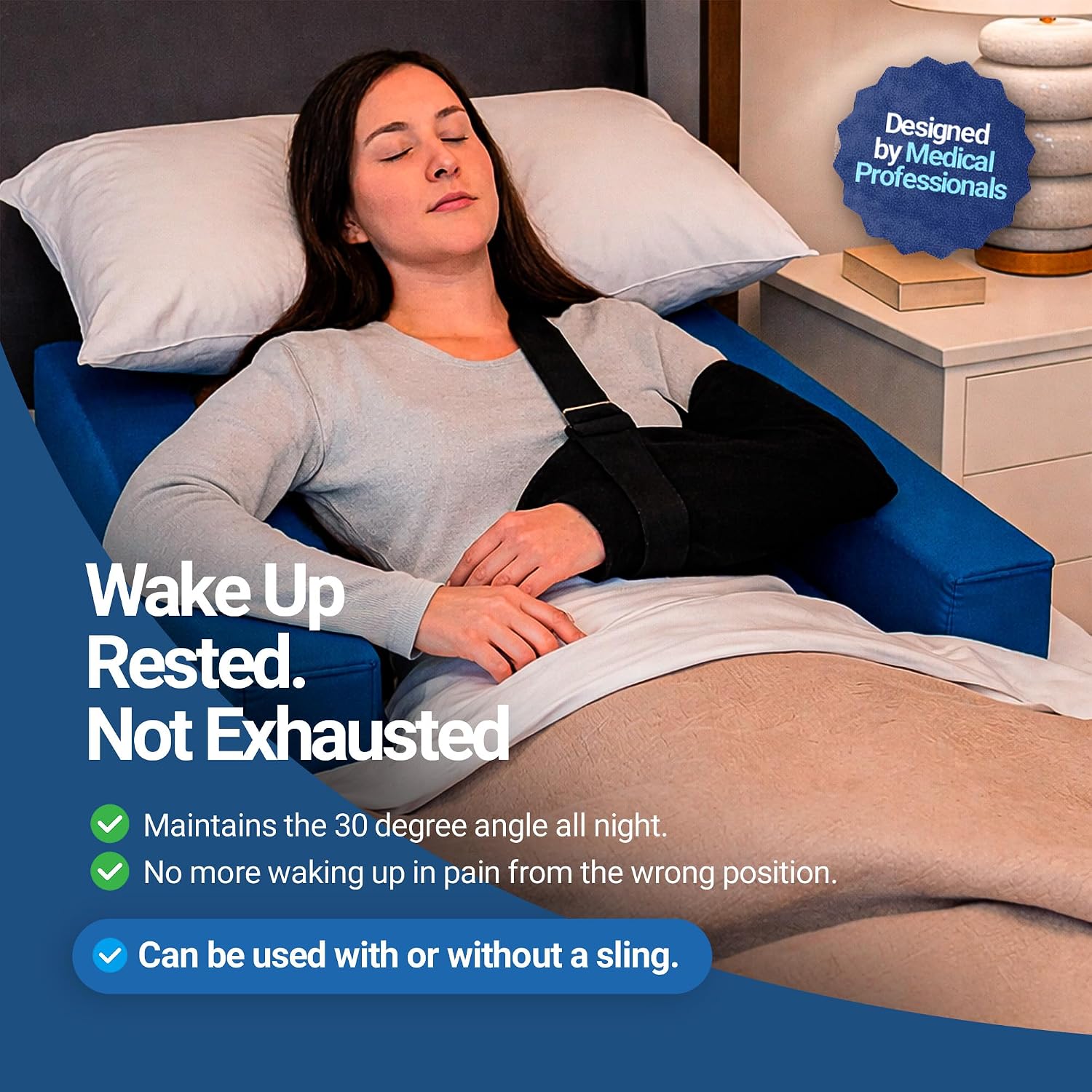
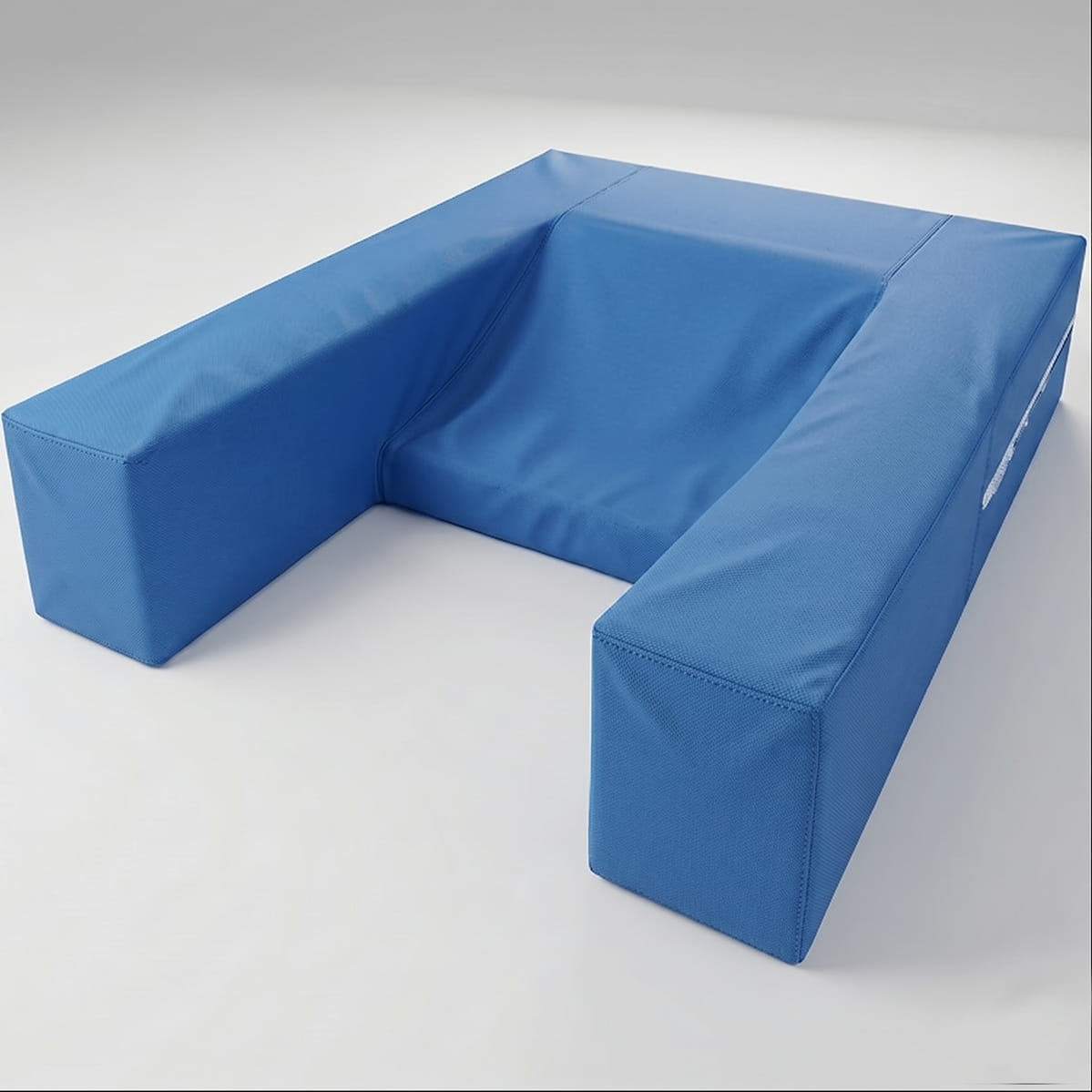
Purpose-built recovery supports are designed specifically around orthopedic positioning principles rather than general comfort. The Restore You Therapeutic Support was developed to help shoulder surgery patients maintain surgeon-recommended positioning while sleeping in their own bed.
Unlike traditional pillows, a therapeutic support system is designed to:
Rather than forcing patients to create temporary positioning solutions, therapeutic systems are engineered specifically for the challenges of shoulder recovery.
The AAOS shoulder conditioning program emphasizes protecting healing tissues while gradually restoring mobility and strength. Successful recovery depends on balancing two priorities: protecting the surgical repair and supporting progressive rehabilitation
Proper sleep positioning aligns with that same philosophy. The goal is to create an environment where the shoulder can rest comfortably while minimizing unnecessary strain during the healing process.
During an AAOS shoulder conditioning program, after a rotator cuff operation, or before surgery, positioning remains an important part of the overall recovery plan.
Keep reading
Sleep is part of healing after shoulder surgery. A recliner is the usual advice, but most people can’t sleep in one for weeks. Restore You keeps you in the position your surgeon wants while you sleep in your own bed.
See the Restore You Therapeutic Support: $199, free standard shipping in the U.S.