Shoulder Replacement Recovery | Week-by-Week Guide

How Long Does Shoulder Replacement Recovery Take?

Most patients achieve significant functional improvement within 4-6 months after shoulder replacement surgery, with continued healing up to one year. Recovery progresses through distinct phases: weeks 1-2 focus on pain management and immobilization, weeks 3-6 introduce gentle movement and early therapy, weeks 7-12 build strength through active rehabilitation, and months 4-6 prepare you for returning to normal activities. Success depends on three critical factors: consistent physical therapy participation, effective pain management, and quality sleep in proper positioning that maintains your shoulder in optimal healing position throughout the night.

If you’re facing shoulder replacement surgery, you probably have one burning question: How long will recovery take? Here’s what you need to know. Most patients see significant improvement within 4-6 months after shoulder replacement surgery, but the timeline varies based on your surgery type, overall health, and commitment to physical therapy. The good news is that with proper care and the right recovery tools, you can optimize your healing and get back to the activities you love faster than you might think.

After treating hundreds of patients through shoulder surgery recovery, I’ve learned that success comes down to three things: following your physical therapy plan religiously, managing pain effectively, and getting quality sleep in the proper position. That last part trips up more people than you’d expect.

Understanding Your Shoulder Replacement Surgery

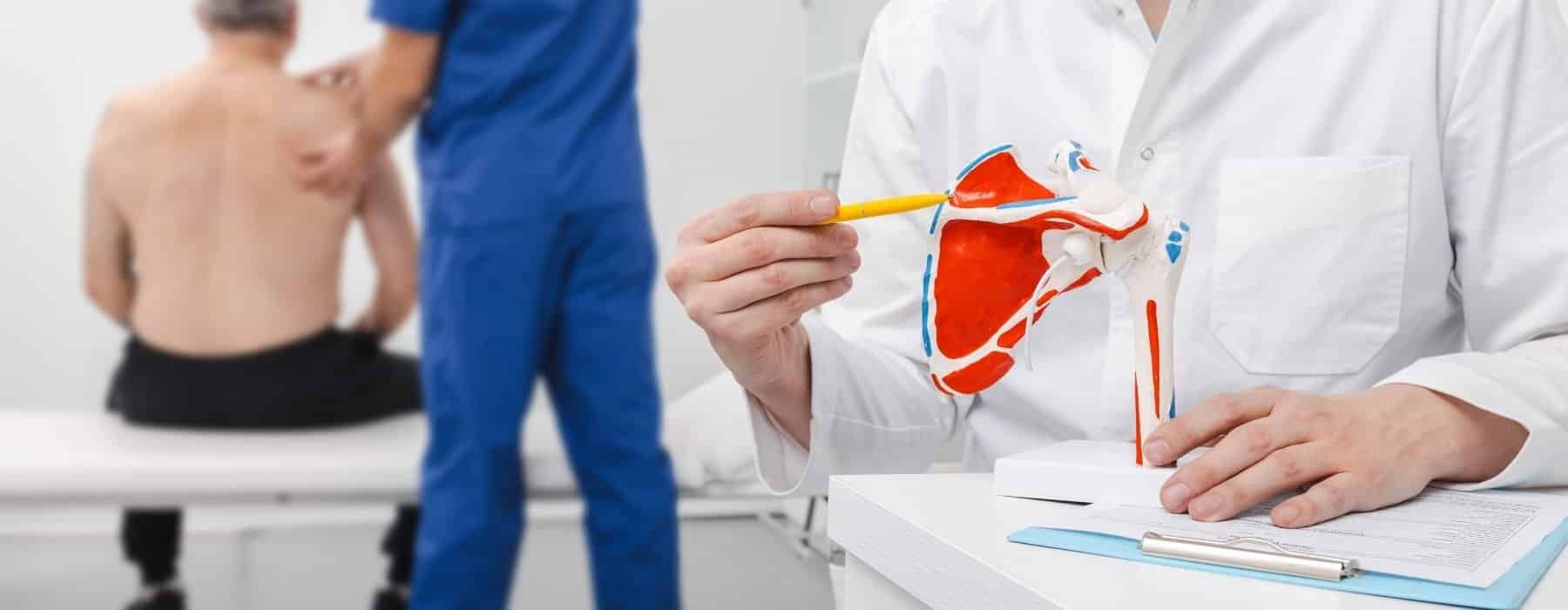
Before diving into recovery, let’s talk about what actually happens during shoulder replacement. Your surgeon removes damaged portions of your shoulder joint and replaces them with artificial components. Think of it like replacing worn-out parts in a machine, but way more complex.

There are three main types of shoulder replacement:

Total Shoulder Replacement involves replacing both the ball (top of your arm bone) and socket (part of your shoulder blade). This works best when you have arthritis but your rotator cuff muscles are still healthy.

Reverse Shoulder Replacement flips the normal anatomy. The ball goes where the socket was, and vice versa. This sounds weird, but it’s brilliant for people with damaged rotator cuffs. It lets your deltoid muscle do the heavy lifting instead of relying on torn rotator cuff tendons.

Partial Shoulder Replacement (hemiarthroplasty) only replaces the ball portion when your socket is still in good shape. It’s less common but sometimes the right call.

Your recovery timeline will differ slightly based on which type you have, but the general principles stay the same.

Shoulder Replacement Recovery Week by Week

Let me walk you through what to expect at each stage. Every patient heals at their own pace, but this timeline gives you realistic expectations.

Week 1-2: The Immediate Post-Op Phase

Right after surgery, your shoulder will be bandaged and immobilized in a sling. You’ll probably spend 2-4 days in the hospital before heading home.

Pain is typically worst during this phase. Don’t try to tough it out. Take your prescribed pain medication as directed. Ice helps too, but limit it to 20 minutes at a time.

You’ll start gentle “passive” exercises almost immediately. Your physical therapist will move your arm for you while you keep your muscles relaxed. This prevents stiffness without straining the surgical site.

What you can do: Eat with your non-operated arm, walk around your house, let others help you with daily tasks.

What you can’t do: Lift anything, reach overhead, or move the operated arm on your own.

Weeks 3-6: Early Active Recovery

By week three, you’ll notice less pain and more mobility. You’re still wearing that sling most of the time, but you’ll start removing it for short periods.

Physical therapy ramps up during this phase. You’ll begin “active assisted” exercises, using your good arm or a stick to help move your recovering shoulder. The goal is building range of motion without forcing anything.

Here’s what I tell my patients about this phase: It feels better than week one, but don’t get cocky. Overdoing it now can set you back weeks.

What you can do: Dress yourself, cook simple meals, do light household chores, possibly return to desk work.

What you can’t do: Lift more than a coffee cup, reach behind your back, sleep on your operated side.

Weeks 7-12: Building Real Strength

This is when recovery gets interesting. You’ll ditch the sling (finally) and start resistance exercises. Light weights, resistance bands, and progressive strengthening become your new best friends.

Your physical therapist will focus on rebuilding the muscles around your shoulder joint. Don’t skip these sessions. I can’t stress this enough.

Most patients regain significant function during this period. You’ll feel more like yourself again.

What you can do: Carry groceries, do dishes, make your bed, lift objects up to 5-10 pounds, possibly drive (check with your surgeon first).

What you can’t do: Heavy lifting, high-impact activities, returning to labor-intensive work.

Months 4-6: Advanced Rehabilitation After Shoulder Replacement

By month four, you’re in the home stretch. Physical therapy continues, but exercises get more functional. You’re preparing to return to your normal activities.

Some patients can return to recreational activities like golf or swimming during this phase. Others need more time. Listen to your healthcare team, not your neighbor who “bounced back in three months.”

What you can do: Return to most daily activities, light yard work, recreational sports (with approval), lift moderate weights.

What you can’t do: Contact sports, heavy overhead lifting, anything your surgeon hasn’t cleared.

6 Months and Beyond: Long-Term Recovery

Most people continue seeing improvements for up to a year after surgery. That doesn’t mean you can’t function before then. It just means your strength and endurance keep building.

At this point, you should maintain a regular exercise routine to keep your shoulder healthy. Think of it as maintenance for your investment in surgery.

The Sleep Positioning Challenge Nobody Warns You About

Here’s something surgeons don’t always emphasize enough: sleep quality makes or breaks your recovery. And getting comfortable sleep after shoulder surgery is incredibly difficult.

Your body does most of its healing while you sleep. But how do you sleep when you can’t lie on your surgical side, can’t lie flat without pain, and your arm needs to stay in a specific position?

Many patients end up in recliners for weeks. I’ve seen people try that, and here’s what happens: They get 2-3 hours of broken sleep, wake up exhausted and in pain, and their recovery suffers. Sleep deprivation is actually the number one complaint during shoulder surgery recovery.

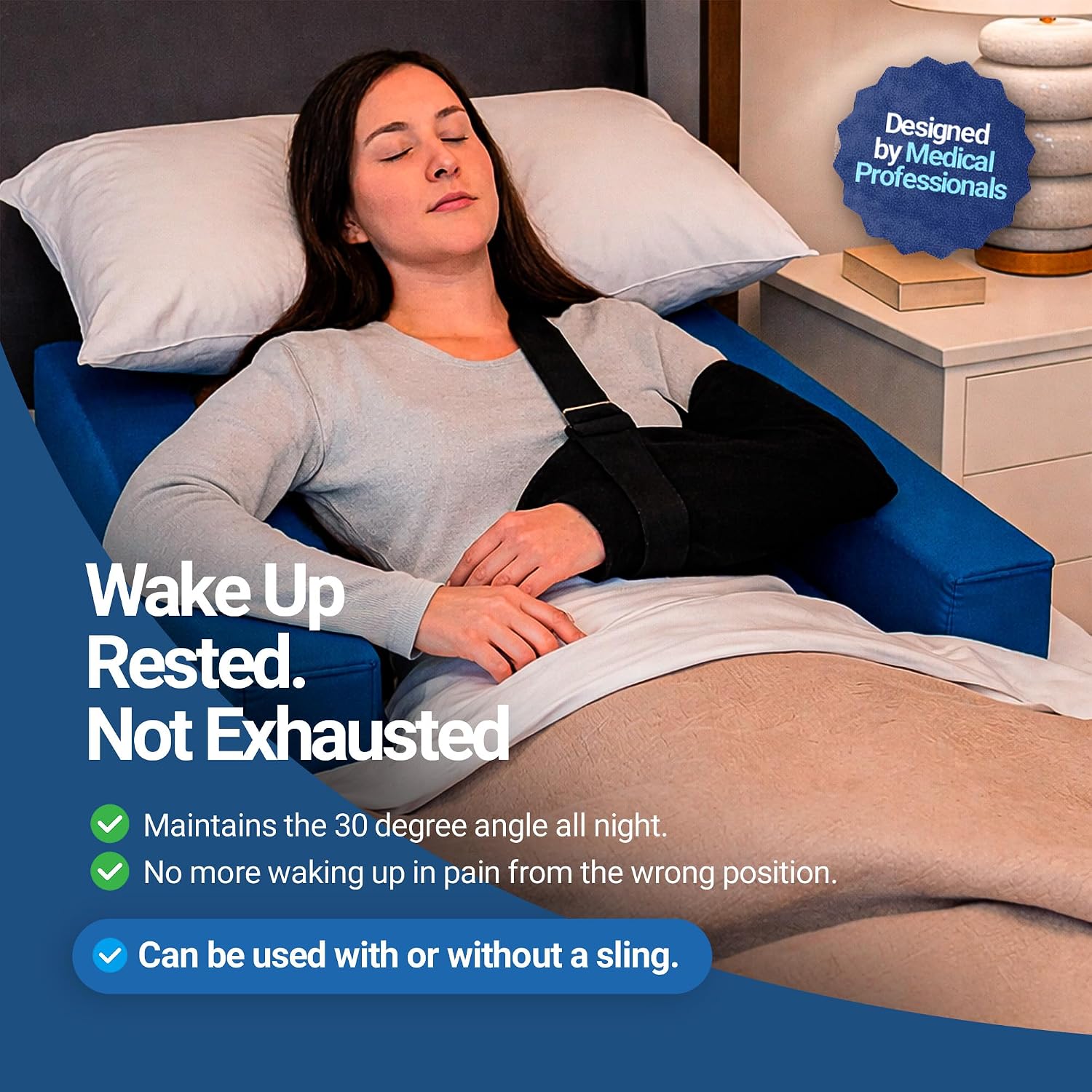
The problem is that your shoulder needs to stay in what we call the Maximally Loose Packed Position (MLPP) while healing. This reduces stress on the joint and promotes optimal recovery. But maintaining this position in a recliner or with random pillows is nearly impossible.

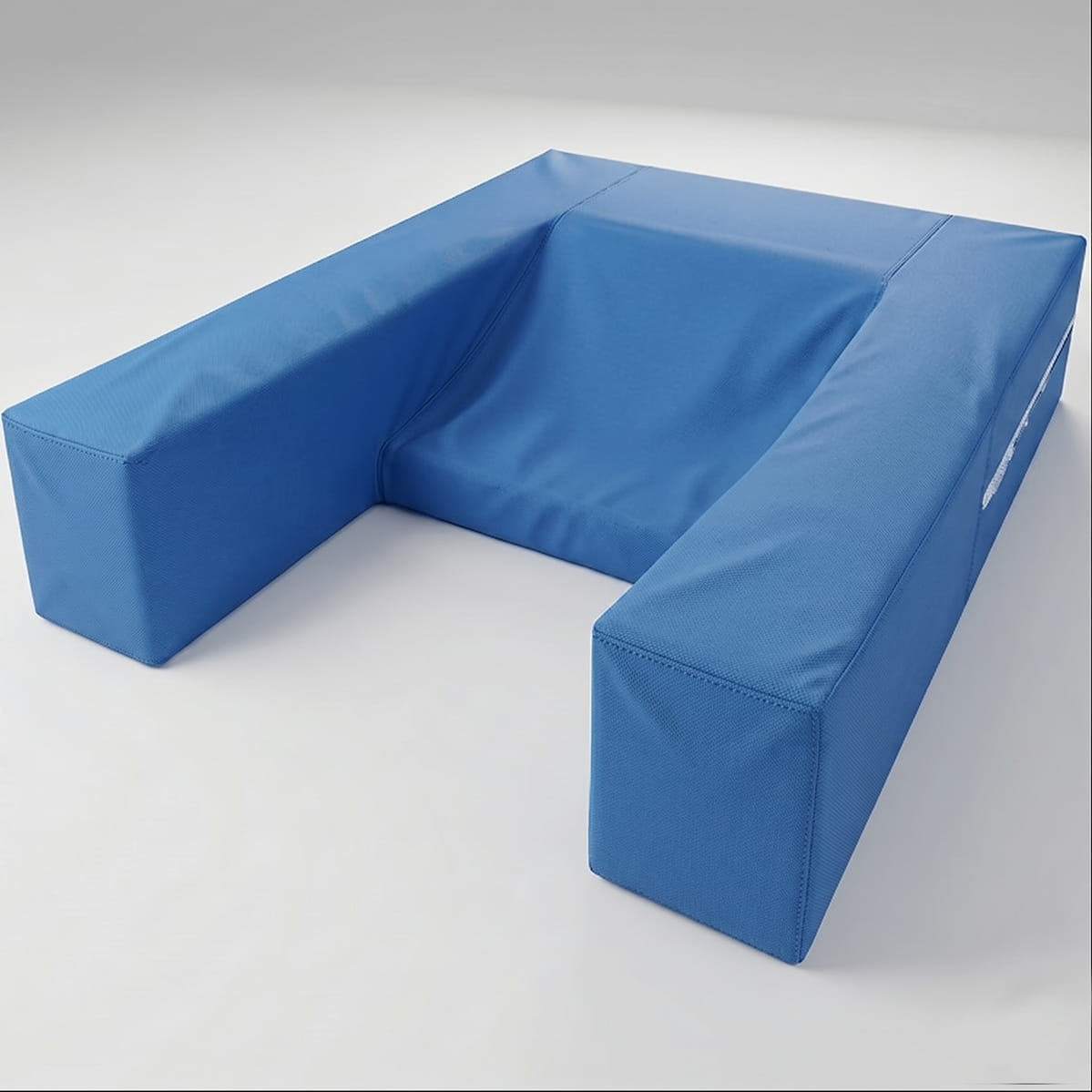
This is where specialized recovery positioning systems make a real difference. The Restore You Therapeutic Support, for example, is an FDA-registered device designed specifically for post-shoulder surgery recovery. It maintains proper MLPP positioning while letting you sleep in your own bed.

I’ve had patients report going from 2-3 hours in a recliner to 6-8 hours of quality sleep in their own bed using this type of support system. That’s the difference between dragging through recovery and actually healing well. Clinical data shows patients using proper positioning support have a 50% reduction in pain medication needs and 96% report successful recovery outcomes.

The point isn’t that you need any specific product. The point is that proper sleep positioning matters more than most people realize. Whether you use a specialized system like Restore You or work with your physical therapist to create a positioning setup with wedges and pillows, don’t neglect this aspect of recovery.

Physical Therapy After Shoulder Replacement: Your Secret Weapon

Let’s talk about physical therapy because it absolutely makes or breaks your recovery. I’m not exaggerating.

Your physical therapist is your best friend during recovery after shoulder replacement surgery. They’ll create a personalized program targeting your specific needs and limitations.

Early Phase PT (Weeks 1-6) focuses on gentle range of motion exercises. You’ll do things like pendulum exercises, table slides, and passive stretches. It feels easy, but it’s preventing scar tissue buildup that could limit your movement forever.

Intermediate Phase PT (Weeks 7-12) introduces resistance work. Resistance bands, light weights, and progressive loading build strength back into your shoulder muscles. Your PT will teach you proper form to avoid compensating with other muscles.

Advanced Phase PT (Months 4-6) gets functional. You’ll work on movements specific to your goals. If you’re a tennis player, you’ll simulate serving motions. If you lift grandkids, you’ll practice lifting techniques.

Here’s my insider tip: Do your home exercises. I know they seem boring. I know you’re busy. Do them anyway. Patients who stick to their home exercise program consistently recover faster and achieve better outcomes than those who only work hard during formal PT sessions.

Managing Pain and Discomfort During Recovery

Pain management isn’t just about comfort. Adequate pain control allows you to participate in physical therapy and maintain proper positioning during sleep, both critical for healing.

Medication Strategies: Your surgeon will prescribe pain medication, typically opioids for the first few weeks, then transition to NSAIDs or acetaminophen. Take them as prescribed, not just when pain becomes unbearable. Staying ahead of pain is easier than catching up.

Ice and Heat Therapy: Ice reduces inflammation and numbs pain, especially in the first few weeks. Apply for 20 minutes, then remove for at least 20 minutes. Heat can help later in recovery when muscles get tight from exercise. Never apply heat in the first two weeks.

Position Changes: Don’t stay in one position too long. Even 30 minutes of sitting still can cause stiffness. Move every 20-30 minutes, even if it’s just standing up and walking around the room.

Massage and Gentle Movement: Once cleared by your surgeon, gentle massage of the surrounding muscles (not the surgical site) can reduce tension and pain. Your PT can show you safe techniques.

Elevation: Keeping your arm elevated, especially in the first few weeks, reduces swelling and therefore reduces pain. This is another benefit of proper positioning support systems.

Expert Tips for Optimizing Your Shoulder Replacement Recovery

After years of guiding patients through this process, here are the strategies that consistently lead to better outcomes:

1. Set Up Your Recovery Space Before Surgery

Before your surgery date, create a recovery station in your home. Stock it with everything you need within easy reach: medications, water, remote control, phone charger, snacks. Set up your sleep area with whatever positioning support you’re using. The last thing you want is struggling to arrange pillows when you’re exhausted and in pain post-surgery.

2. Accept Help When Offered

Independence is great, but not during recovery. When someone offers to make dinner, do laundry, or drive you to PT, say yes. Trying to do too much too soon doesn’t make you tough. It makes your recovery longer.

3. Track Your Progress

Keep a simple log of your pain levels, sleep quality, and what you can do each week. It’s easy to feel discouraged when progress seems slow, but looking back at where you started reminds you how far you’ve come.

4. Wear Your Sling as Directed

I know it’s annoying. I know you feel fine without it. Wear it anyway. Your surgeon gave you that timeline for a reason. Taking it off too early risks re-injury.

5. Stay Hydrated and Eat Well

Your body needs building blocks to heal. Protein, vitamins, and minerals all play roles in tissue repair. Dehydration slows healing and makes you feel worse. Aim for eight glasses of water daily and eat a balanced diet rich in lean protein, fruits, and vegetables.

6. Communicate with Your Healthcare Team

If something doesn’t feel right, speak up. Not all pain is normal. Not all setbacks are expected. Your surgeon and PT need to know if you’re having unusual symptoms so they can address problems early.

7. Be Patient with Yourself

Recovery isn’t linear. You’ll have good days and bad days. Some weeks you’ll make huge strides. Other weeks you’ll feel stuck. This is normal. Trust the process and stick with your program.

8. Don’t Compare Your Recovery to Others

Your neighbor who “was back to normal in two months” probably had different circumstances than you. Age, overall health, surgery type, pre-existing conditions, and even genetics affect recovery speed. Focus on your progress, not anyone else’s timeline.

Frequently Asked Questions About Shoulder Replacement Recovery

How long does shoulder replacement recovery take? Most patients see significant improvement within 4-6 months through shoulder surgery recovery, with continued progress up to one year. The exact timeline depends on your surgery type, overall health, and commitment to rehabilitation.

Can I sleep on my side after shoulder replacement? Not on your operated side for at least 6-8 weeks, sometimes longer. You can usually sleep on your non-operated side once the initial healing occurs, typically around 4-6 weeks. Always follow your surgeon’s specific guidelines through your shoulder replacement recovery journey.

When can I drive after shoulder replacement surgery? Most patients can drive 4-6 weeks post-surgery, once they’re off narcotic pain medication and have regained enough strength and range of motion to control the vehicle safely. Always get your surgeon’s clearance first.

How painful is shoulder replacement recovery? Pain is typically worst in the first 1-2 weeks, then gradually improves. With proper pain management through shoulder replacement recovery, most patients find the discomfort manageable. The pain is generally less severe than the chronic pain that led to surgery in the first place.

Will I need physical therapy after shoulder replacement? Yes, physical therapy is essential for optimal recovery after shoulder replacement surgery. Most patients attend formal PT sessions 2-3 times weekly for at least 3 months, plus daily home exercises.

How long will I wear a sling after shoulder replacement? Typically 4-6 weeks, though this varies with shoulder surgery recovery based on your surgery type and surgeon’s preference. You’ll gradually increase time out of the sling as healing progresses.

When can I return to work after shoulder replacement? Desk workers often return within 2-3 weeks. Those with more physical jobs might need 3-6 months. Your return timeline depends on your job requirements and recovery progress.

Your Path Forward

Shoulder replacement recovery is a journey, not a sprint. With realistic expectations, commitment to rehabilitation, proper pain management, and quality sleep in correct positioning, you’ll optimize your healing and achieve the best possible outcome.

Remember that everyone’s recovery is unique. What you read in forums or hear from friends might not apply to your situation. Trust your healthcare team, follow their guidance, and be patient with the process.

If you’re preparing for shoulder replacement surgery, start planning your recovery now. Set up your space, arrange for help, consider investing in proper positioning support, and mentally prepare for the commitment ahead. The effort you put into recovery will directly impact your long-term results.


Medical Disclaimer: This information is for educational purposes only and should not replace professional medical advice from your healthcare provider. Always consult with your orthopedic surgeon and physical therapist before making decisions about your shoulder replacement recovery. Individual circumstances vary, and your medical team can provide personalized guidance based on your specific situation.

Share the Post:

Related Recovery Posts

How Long Does Biceps Surgery Recovery Take? Biceps surgery recovery typically takes four...

TL;DR: Why Am I Depressed After Surgery? Depression and you mental health after...

Sleep After Breast Surgery: Essential Recovery Guide 2025 How Should You Sleep After...

How to Sleep After Shoulder Surgery: Complete Recovery Guide Summary: Sleep after shoulder...

The Best Wedge Pillow for Shoulder Surgery: Why Your Recovery Depends on Proper...

How Long Does It Take to Sleep Normally After Rotator Cuff Surgery? Getting...

How to Choose the Best Pillow for Shoulder Surgery Recovery and Shoulder Pain...

How to Sleep After Shoulder Surgery: A Patient’s Complete Guide If you’re reading...

Pillow for Sleep Apnea: Complete Guide to Better Sleep and Breathing If you’ve...

Best Alternative to Recliner After Surgery: Sleep Better, Heal Faster Your surgeon told...

Can’t Sleep After Shoulder Surgery: Complete Guide to Better Rest and Faster Recovery...

5 Biggest Mistakes After Shoulder Surgery (And How to Avoid Them) Whether you’re...

Related Product

Restore You Therapeutic Support

Clinically proven with 96% patient success rate. The Restore You system uses patented MLPP technology to maintain proper arm positioning throughout the night for optimal post-surgical comfort.

Restore You Therapeutic Support is designed to provide patients with optimal sleep and healing through surgery recovery.

Copyright © 2025

Scroll to Top

Filter by Price

Apply - slider
Apply - inputs

Filter by Category

Apply