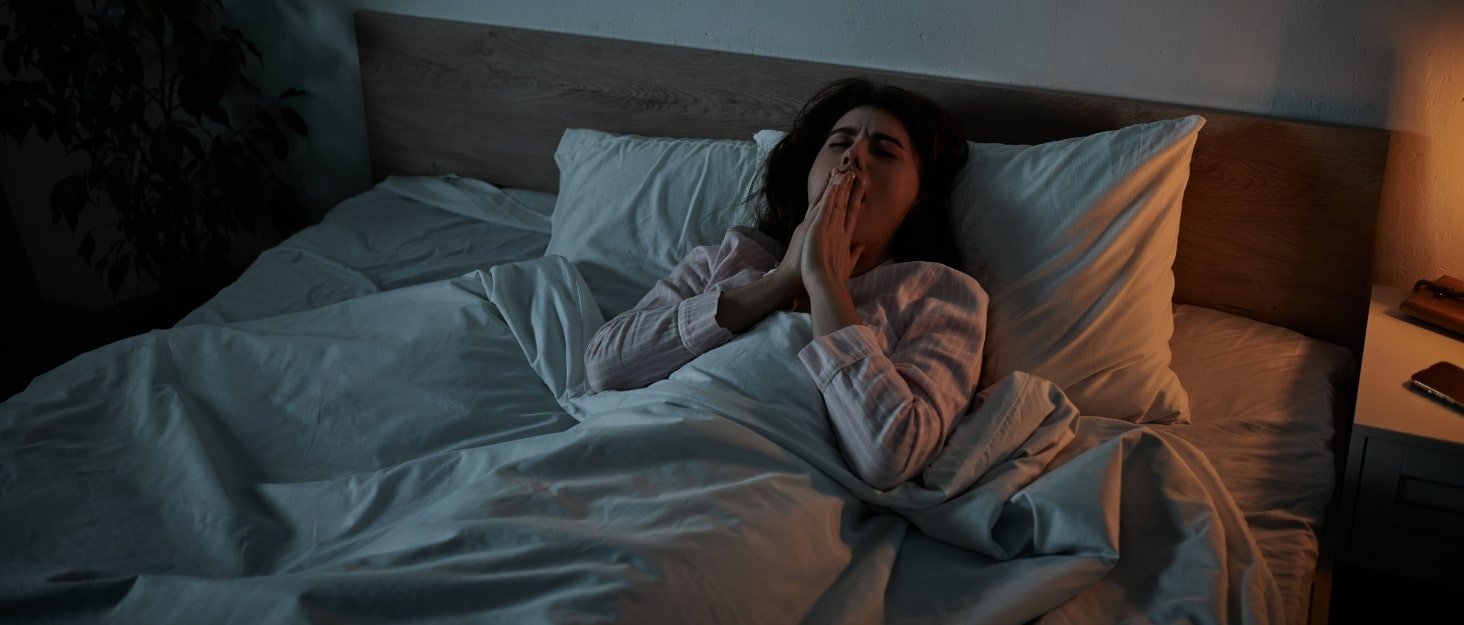
How Recover Better With Better Sleep After Surgery
You’re facing surgery and wondering how to sleep better after surgery and heal as quickly as possible . Here’s something most patients don’t realize: your sleep quality might be the most important factor in how well and how fast you recover. Clinical research shows that patients with good sleep quality experience better pain relief, faster healing, and shorter hospital stays.
Those with poor sleep face over twice the risk of severe postoperative pain and longer recovery times. If you want to give yourself the best chance at a smooth recovery, understanding how to protect and improve your sleep before and after surgery isn’t optional – it’s essential.
Why Sleep Quality Determines Your Recovery Success
Sleep isn’t just rest time for your body. During quality sleep, your tissues repair themselves, inflammation decreases, and your immune system strengthens. After surgery, these processes become even more critical.
The Sleep-Pain Connection You Need to Know
Pain and post-operative sleep problems create what doctors call a “bidirectional relationship.” Poor sleep makes pain worse, and pain makes sleep worse. This creates a cycle that can trap you in prolonged discomfort. Research involving over 10,000 patients found that different aspects of disturbed sleep—like difficulty falling asleep, frequent awakening, and short sleep duration—all increase pain sensitivity.
Even when researchers controlled for other factors like age, gender, and psychological stress, the sleep-pain connection remained strong. In my experience with surgical patients, those who struggle with sleep often require more pain medication and report feeling “behind” in their recovery. But here’s what I tell them: you’re not behind—you’re dealing with a fixable problem.
How Poor Sleep After Surgery Slows Your Healing
When you don’t sleep well after surgery, several things happen that work against your recovery:
- Your inflammatory response stays elevated longer. Surgery naturally triggers inflammation as part of healing, but poor sleep keeps this response active when it should be calming down.
- Your body produces fewer growth hormones. These hormones, released primarily during deep sleep, are crucial for tissue repair and healing.
- Your pain tolerance decreases. Sleep deprivation makes your nervous system more sensitive to pain signals, making discomfort feel more intense.
- Your immune system weakens. Quality sleep supports immune function, which you need to fight infection and heal surgical sites.
What Happens to Your Sleep After Surgery
Expecting some sleep disruption after surgery is normal. Understanding what to expect helps you prepare and avoid unnecessary worry about temporary changes.
Common Sleep Challenges Post-Surgery
Most surgical patients experience similar problems with sleep after surgery in the first few weeks of recovery:
- Shorter total sleep time with frequent awakenings throughout the night. You might find yourself waking up every hour or two instead of sleeping through the night.
- Difficulty finding comfortable positions. Surgical sites, bandages, and movement restrictions make your usual sleep positions uncomfortable or impossible.
- Changes in sleep architecture. Your body spends less time in deep, restorative sleep phases and more time in lighter sleep stages.
- Increased nightmares or vivid dreams. Anesthesia, pain medications, and surgery stress can all affect your dream patterns.
These changes typically persist from days to weeks after surgery. The good news is that they’re temporary for most patients, and there are effective ways to minimize their impact.
Why Hospital Sleep Is So Difficult
Hospitals aren’t designed for quality sleep, even though sleep is crucial for recovery. A comprehensive study comparing hospital sleep to home sleep found several key differences: Patients in hospitals slept fewer total hours, experienced more nighttime awakenings, and woke up much earlier than they normally would at home.
The main culprits were external factors you can’t fully control: staff visits during the night, other patients, sounds from medical devices, lights from corridors, and frequent bathroom trips. Understanding this helps set realistic expectations. You’re not failing at recovery if you sleep poorly in the hospital – you’re dealing with a challenging environment.
The Science Behind Sleep and Surgical Recovery
Recent clinical research provides compelling evidence for sleep’s role in surgical outcomes. These findings can help you understand why prioritizing sleep isn’t just about comfort—it’s about medical outcomes.
Clinical Evidence for Sleep’s Role in Healing
A systematic review of surgical patients found that preoperatively measured sleep problems were the strongest predictor of poor acute postoperative pain control. Patients with self-reported sleep difficulties had over twice the risk of severe pain interfering with sleep after surgery. In breast cancer patients, poor sleep the night before surgery was directly associated with more severe acute postoperative pain.
Another study following the same population found that preoperative sleep difficulties were linked to the development of chronic neuropathic pain years after surgery. After total knee replacement, good quality sleep was associated with both better acute pain relief and improved functioning at three-month follow-up. Patients who slept well also had shorter hospital stays and returned to work sooner.
Risk Factors That Predict Problems With Sleep After Surgery
Certain factors increase your likelihood of experiencing sleep problems after surgery. Knowing these helps you and your healthcare team prepare:
- Preexisting sleep problems are the strongest predictor. If you already struggle with insomnia or poor sleep quality, surgery will likely worsen these issues temporarily.
- Age and health status matter. Older patients and those with conditions like sleep apnea, heart disease, or chronic pain face higher risks.
- Surgery type and extent affect sleep quality. More invasive procedures and longer operations tend to cause more sleep disruption.
- Anxiety and depression before surgery increase the risk of both sleep problems and persistent pain after surgery.
- Pain medication requirements can interfere with normal sleep architecture, especially opioid medications.
How to Improve Your Sleep Before and After Surgery
You can take concrete steps to protect and improve your sleep quality throughout your surgical experience. The earlier you start, the better your outcomes are likely to be.
Pre-Surgery Preparation for Post-Operative Sleep Problems
Starting good sleep habits before surgery gives you the best foundation for recovery.
- Establish regular sleep times at least two weeks before surgery. Aim for 7-8 hours nightly and try to go to bed and wake up at consistent times.
- Create an optimal sleep environment at home that you can partially recreate in the hospital. This includes comfortable room temperature, minimal light and noise, and avoiding electronic devices in bed.
- Address existing sleep problems with your healthcare provider. Don’t wait until after surgery to deal with sleep apnea, restless legs, or chronic insomnia.
- Practice relaxation techniques that you can use in the hospital. Simple breathing exercises, progressive muscle relaxation, or listening to calming music can be powerful tools when pain or anxiety disrupts sleep.
Hospital Sleep Strategies
You can’t control everything about hospital sleep, but you can influence several important factors.
- Communicate with your care team about your sleep after surgery needs. Ask about clustering care activities to minimize nighttime interruptions when medically appropriate.
- Bring familiar comfort items like your own pillow, eye mask, or earplugs. These small things can make a significant difference in sleep quality.
- Maintain your circadian rhythm as much as possible. Try to stick to your normal bedtime routine and get sunlight exposure during the day when you’re able.
- Position yourself for comfort while respecting medical restrictions. This is where proper therapeutic support becomes crucial for many patients.
Home Recovery Sleep Solutions
Once you’re home, focus on creating conditions that support quality sleep after surgery while accommodating your recovery needs.
- Prepare your sleep space before surgery. Set up everything you’ll need within easy reach, including water, medications, and any positioning aids.
- Follow your normal sleep schedule as much as your recovery allows. Your body heals better when your circadian rhythms stay regular.
- Address positioning challenges with appropriate support. Many patients struggle with maintaining comfortable positions throughout the night while protecting surgical sites.
For surgical patients dealing with positioning challenges, clinical-grade therapeutic support can make a significant difference. The SRS Restore You device, for example, maintains optimal positioning throughout the night with 96% patient success rates, allowing patients to achieve 6+ hours of sleep compared to just 2 hours in traditional recliners.
When to Seek Help for Sleep Problems
While some sleep disruption after surgery is normal, certain signs indicate you need additional support from your healthcare team.
Warning Signs That Need Attention
Contact your healthcare provider if you experience:
- Inability to sleep for more than a few hours for several consecutive nights, especially if it’s getting worse rather than gradually improving.
- Sleep after surgery problems that interfere with basic functioning during the day, such as extreme fatigue, confusion, or inability to participate in necessary recovery activities.
- Signs of sleep-related breathing problems like gasping, choking, or periods where breathing stops during sleep.
- Persistent nightmares or sleep terrors that prevent restful sleep and increase anxiety about going to bed.
- Depression or anxiety symptoms that worsen with poor sleep, creating a cycle that interferes with recovery.
Professional Sleep Support Options
Several types of professional help are available to improve sleep after surgery if sleep problems persist beyond the normal recovery period.
- Sleep medicine specialists can evaluate and treat underlying sleep disorders that surgery may have worsened or revealed.
- Cognitive behavioral therapy for insomnia (CBT-I) is considered the first-line treatment for persistent sleep problems and has been shown effective in chronic pain patients.
- Pain management specialists can help optimize pain control strategies that support better sleep quality.
- Physical therapy can address positioning and movement issues that interfere with comfortable sleep.
Your Path to Better Recovery & Sleep After Surgery
Quality sleep after surgery isn’t a luxury – it’s a medical necessity that directly impacts your recovery speed, pain levels, and overall outcomes. The evidence is clear: patients who sleep well heal faster, experience less pain, and return to normal activities sooner. Your sleep quality is largely within your control, even in challenging circumstances like surgical recovery. By understanding the sleep-recovery connection, preparing before surgery, and addressing problems early when they arise, you can significantly improve your healing experience.
Start with simple steps: establish good sleep habits before surgery, communicate with your healthcare team about your sleep needs, and don’t hesitate to seek additional support if problems persist. Your body’s ability to heal depends on the rest you give it. Small investments in better sleep can yield significant returns in faster recovery, reduced pain, and improved quality of life during your healing journey. The choice to prioritize sleep is one of the most important decisions you can make for your surgical recovery.
This information is for educational purposes only and does not replace professional medical advice. Always consult your healthcare provider for personalized guidance about your specific recovery needs and any sleep-related concerns. Contact Surgical Recovery Systems today with your post-surgery sleep concerns.